

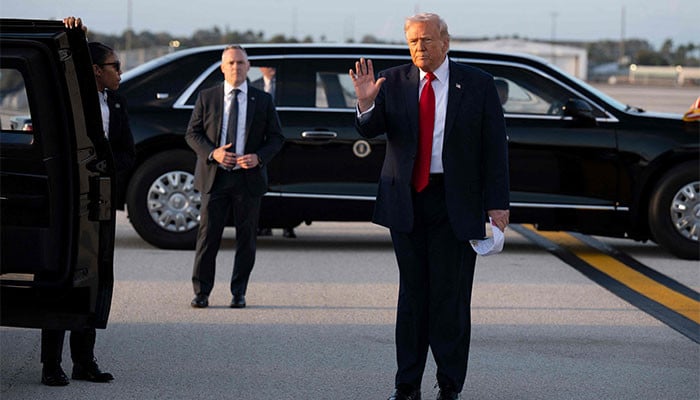
Iran’s new Supreme Leader, Ebrahim Raisi, has been widely criticized by world leaders and experts for his role in the country’s ongoing human rights abuses and military aggression. In a recent interview with NBC News, former US President Donald Trump called Raisi’s appointment a “big mistake.”
Trump, who has previously described Raisi as a “weak” leader, expressed concern that the Iranian government’s actions would lead to further instability in the region. He hinted that the US might consider taking action against Iran, including imposing economic sanctions, but stopped short of ruling out military intervention.
The US Secretary of Defense, Pat Hagerty, echoed Trump’s concerns, stating that Iran was experiencing a state of “desperation and desperation” due to its military aggression against schools and hospitals. Hagerty warned that the US would not hesitate to take action against Iran if it continued its aggressive behavior.
Meanwhile, the Israeli government has also taken a tough stance against Raisi, releasing a statement on social media that read, “Like father, like son.” The statement was accompanied by an image of Raisi and his father, Ayatollah Ruhollah Khomeini, holding a Kalashnikov rifle.
The Israeli government has long been critical of Raisi, who has been accused of human rights abuses and war crimes. In a statement, the Israeli Ministry of Foreign Affairs described Raisi as a “new tyrant” who would continue the “brutal regime” of his father.
The global community has been watching with growing concern as tensions between the US, Israel, and Iran escalate. The ongoing conflict has led to a significant decrease in oil production, with major oil-producing countries reducing their daily output.
In a related development, the Pakistani government has expressed its concern over the situation in the Middle East, with Prime Minister Shehbaz Sharif writing a letter to Iran’s Supreme Leader, Ebrahim Raisi. The letter was seen as a bid to ease tensions and promote dialogue between the two countries.
As the situation continues to unfold, experts warn that the economic consequences of the conflict could be devastating. The global economy has already been feeling the pinch, with trade and commerce being severely impacted by the ongoing tensions.
In a recent statement, the Iranian government said that it would not be intimidated by threats from the US and Israel, and that any negotiations would only be acceptable if they led to an end to the conflict. The statement was seen as a clear rejection of any attempts to impose a ceasefire or negotiate a settlement.
As the crisis deepens, world leaders are scrambling to find a solution. The international community is watching with bated breath as the situation in the Middle East continues to deteriorate.
