

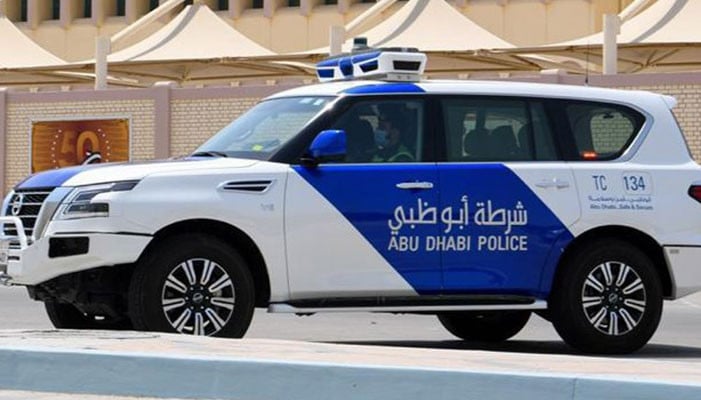
In a significant breakthrough, the United Arab Emirates’ National Anti-Narcotics Authority has apprehended 13 individuals allegedly involved in a global narcotics trafficking ring operation. According to Emirati authorities, the detained individuals hail from various countries, including India, Pakistan, Iran, Egypt, and Sri Lanka. The operation, which was the culmination of a month-long undercover surveillance and intelligence operation, resulted in the seizure of more than 56 kilograms of narcotics and over 8,000 psychotropic pills.
The operation has sent shockwaves across the international community, with global leaders weighing in on the development. Iranian President Ebrahim Raisi has stated that Iran is ready to engage in diplomatic efforts following a change in the United States’ stance. Tensions in the region remain high, with many calling for a swift resolution to the crisis.
Meanwhile, a report by Reporters Without Borders has revealed that global press freedom has reached an all-time low over the past 25 years. The organization’s report highlights the increasing threats to journalists and the stifling of free speech in various parts of the world.
In a separate development, Admiral Shahram Irani has warned that any increase in aggression from Iran’s enemies in the Hormuz Strait would prompt a swift response. The Iranian military has been on high alert in recent weeks, with tensions escalating between Iran and its regional rivals.
The international community continues to grapple with the complexities of global politics, with many nations facing pressing challenges at home and abroad. As the world navigates these uncertain times, one thing is clear: the need for cooperation, dialogue, and understanding has never been more pressing.
In related news, the United States has seen a slight increase in gasoline prices, with the average price reaching $4.30 per gallon. The hike in prices has been attributed to a range of factors, including rising global demand and production constraints.
In other news, the Iranian government has accused the United States and Israel of exacerbating tensions in the Hormuz Strait. Iranian President Ebrahim Raisi has called for a swift resolution to the crisis, emphasizing the need for diplomatic efforts to resolve the situation.
In a shocking incident, a 17-year-old girl in the Indian state of Jharkhand has been arrested for allegedly murdering her mother along with her boyfriend and his friends. The incident has sent shockwaves across the country, highlighting the growing concerns about juvenile delinquency and crime.
In a bid to address the rising concerns about traffic congestion, the Pakistani government has announced a subsidy extension for motorists. The move is aimed at reducing the financial burden on commuters and promoting the use of public transportation.
Finally, in a significant development, the Iranian government has announced the formation of a new phase in the region following the end of the conflict. Iranian Supreme Leader Ayatollah Ali Khamenei has emphasized the need for a swift resolution to the crisis, calling for diplomatic efforts to resolve the situation.
As the world continues to navigate these uncertain times, one thing is clear: the need for cooperation, dialogue, and understanding has never been more pressing. With global tensions running high and international relations under strain, the international community must come together to forge a path forward, one that prioritizes peace, stability, and cooperation.
