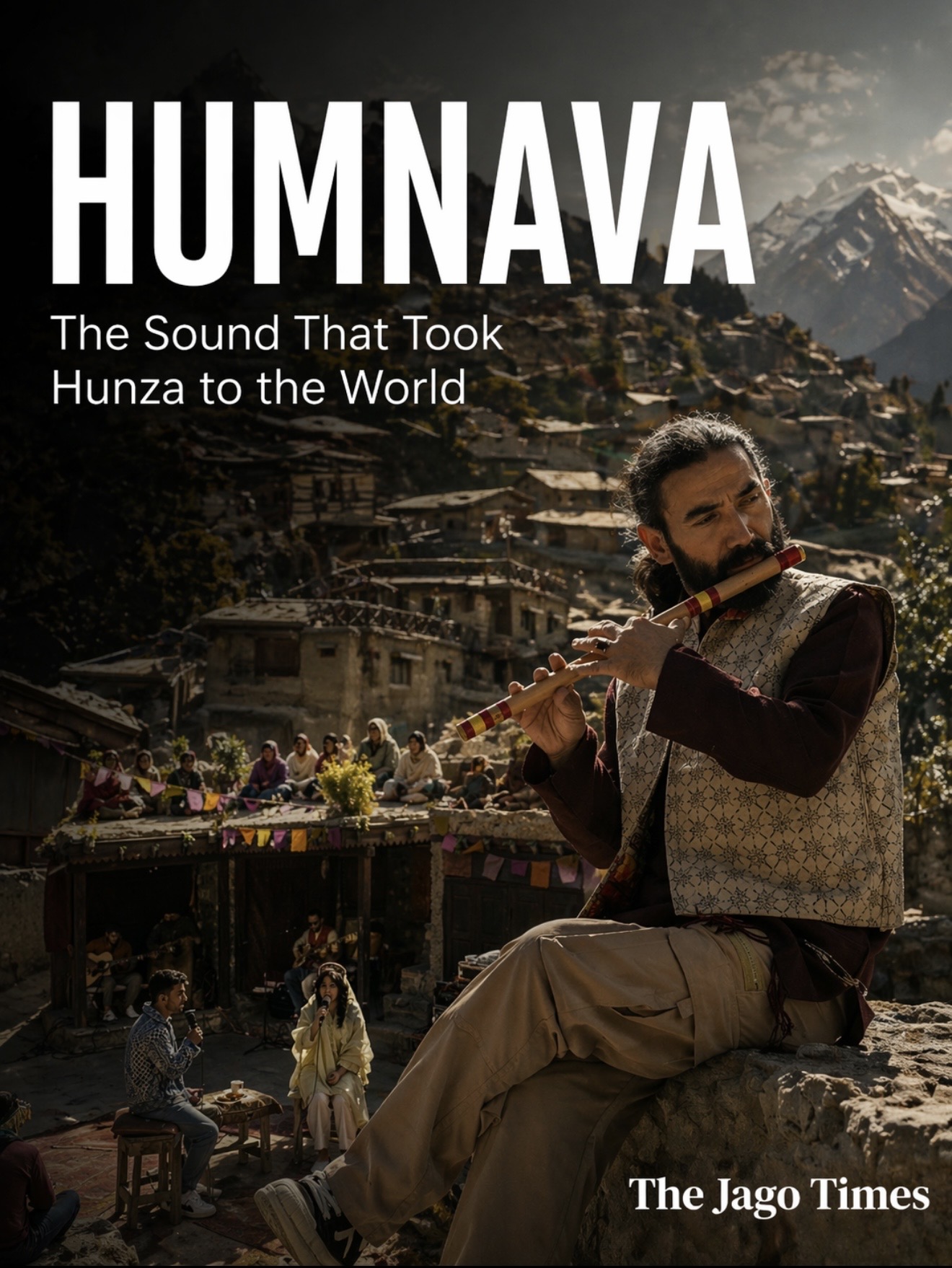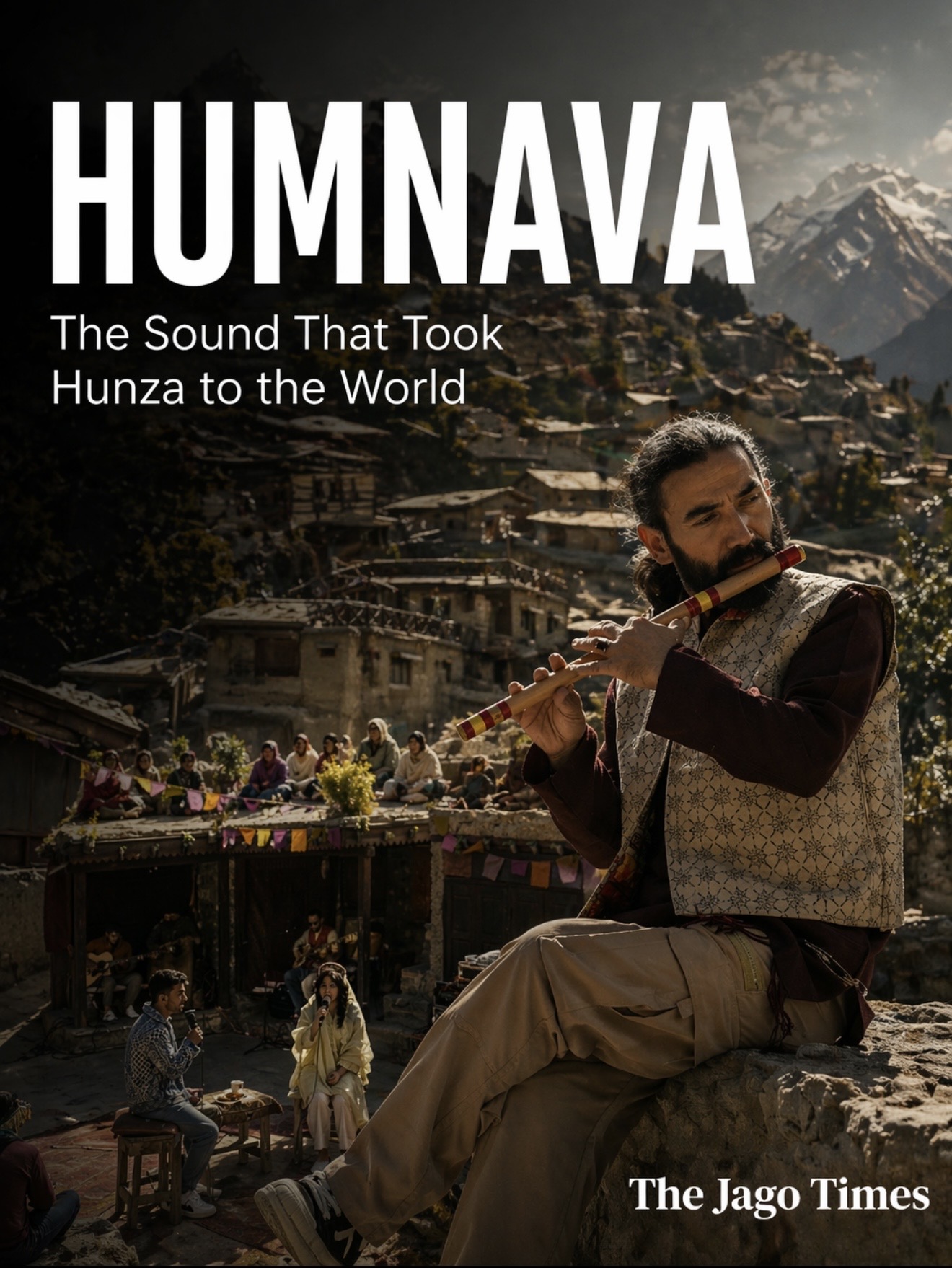
Humnava: The Sound That Took Hunza to the World
By: Raja Zahid Akhtar Khanzada
HUNZA: Pakistan, High in the shadow of the Karakoram peaks, where silence has long been the language of the mountains, a different kind of sound is rising. It does not belong to a single genre, a single country, or even a single tradition. It belongs to something far more powerful — a meeting of worlds.
This is Humnava.
In what is being described as one of the most ambitious independent music initiatives to emerge from Pakistan in a generation, more than 20 Pakistani musicians and 8 international artists from France, Germany, Algeria, and Zambia have converged in Hunza for a 40-day immersive residency. But this is not a festival. There are no flashing stages, no ticket lines, no commercial spectacle. Instead, there is time. There is listening. And there is creation.
At the center of this movement is Zulfiqar Jabbar Khan — widely known as Xulfi, the architect behind the global success of Coke Studio — alongside Muhammad Ibrahim, chief executive of the creative agency Giraffe. Together, they have built something that resists easy definition: part cultural diplomacy, part music laboratory, part quiet revolution.
“Humnava isn’t about performance,” Xulfi said. “It’s about what happens when artists from completely different worlds are given the space to truly hear each other.”
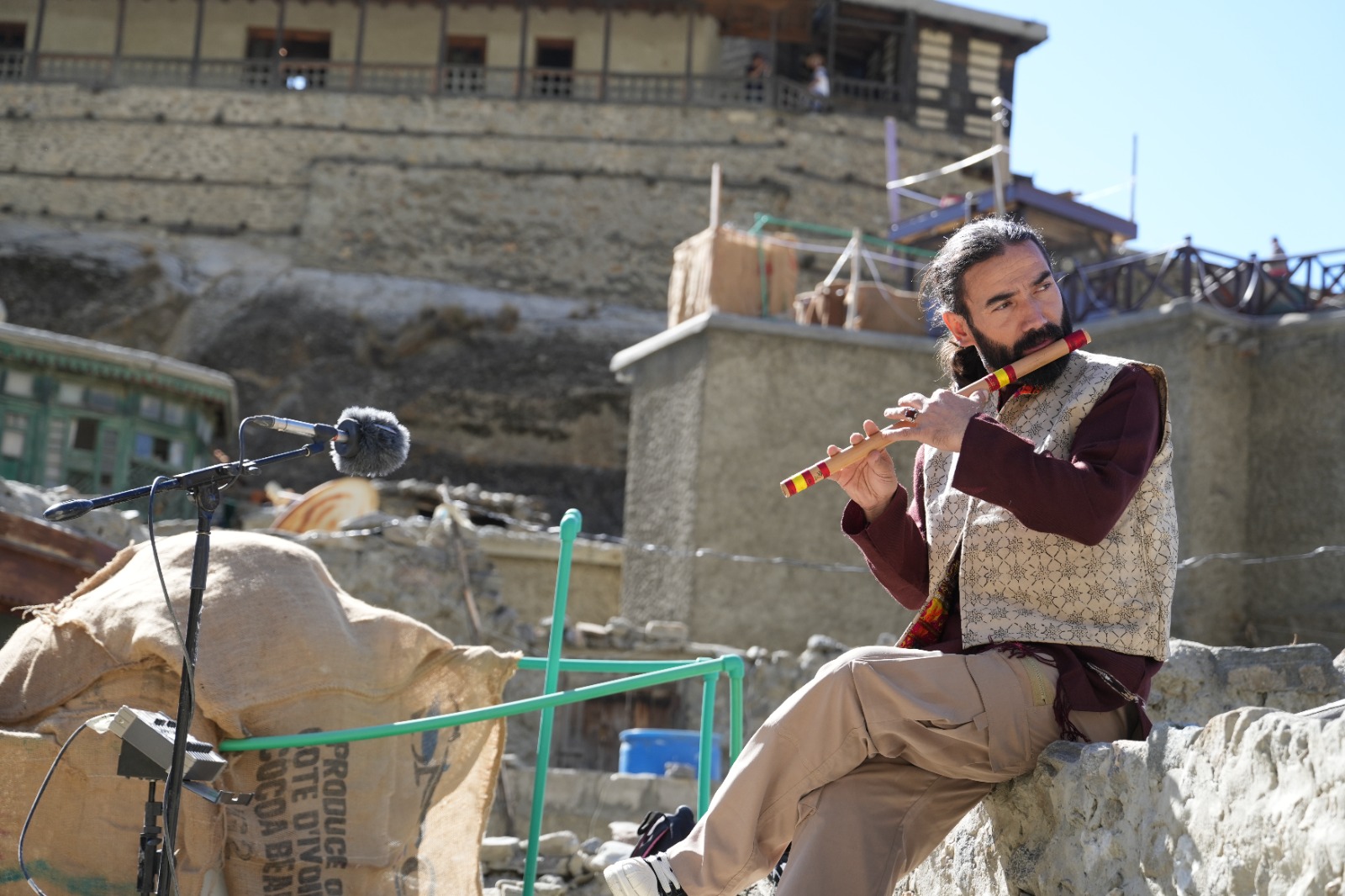
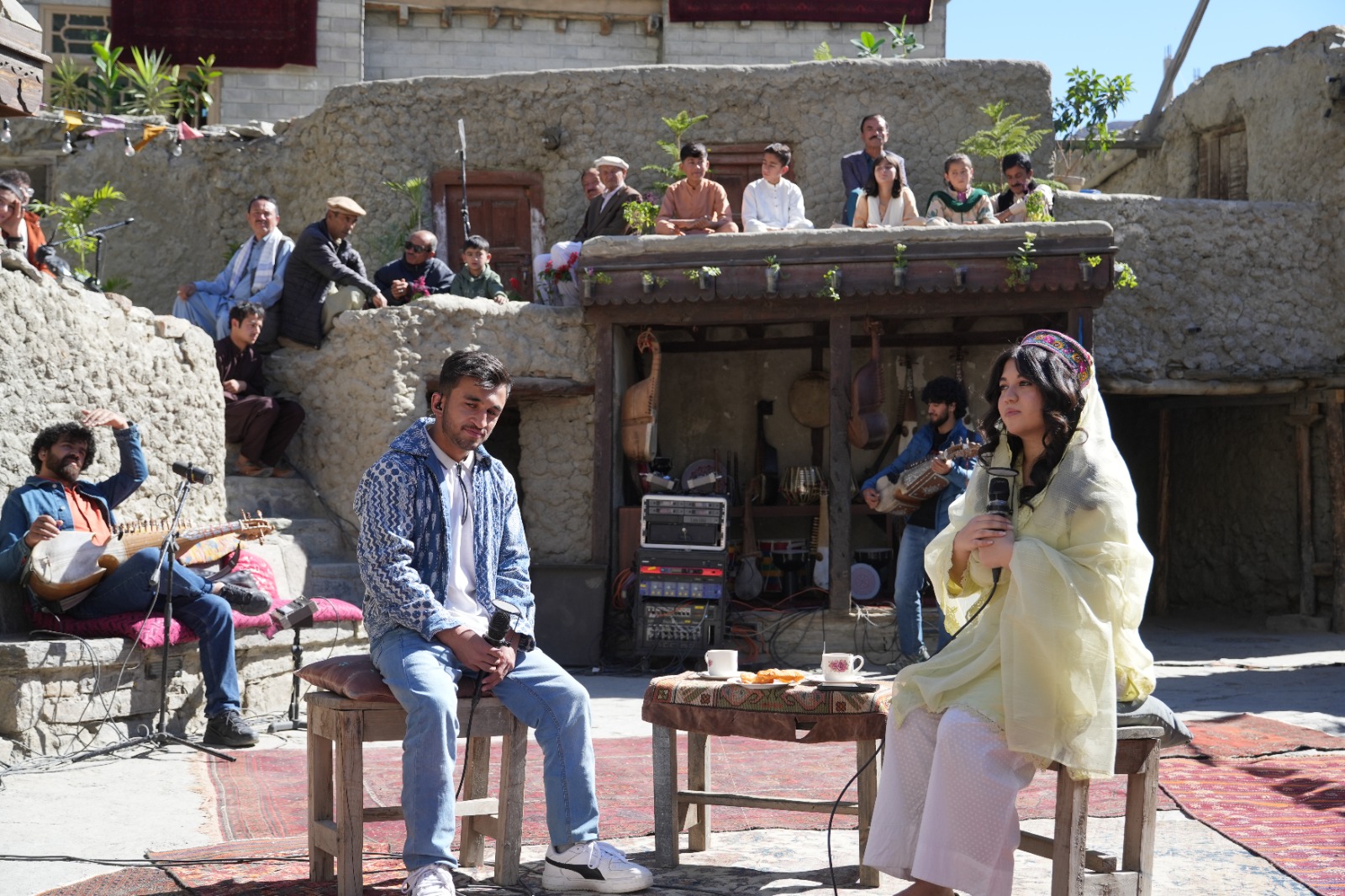
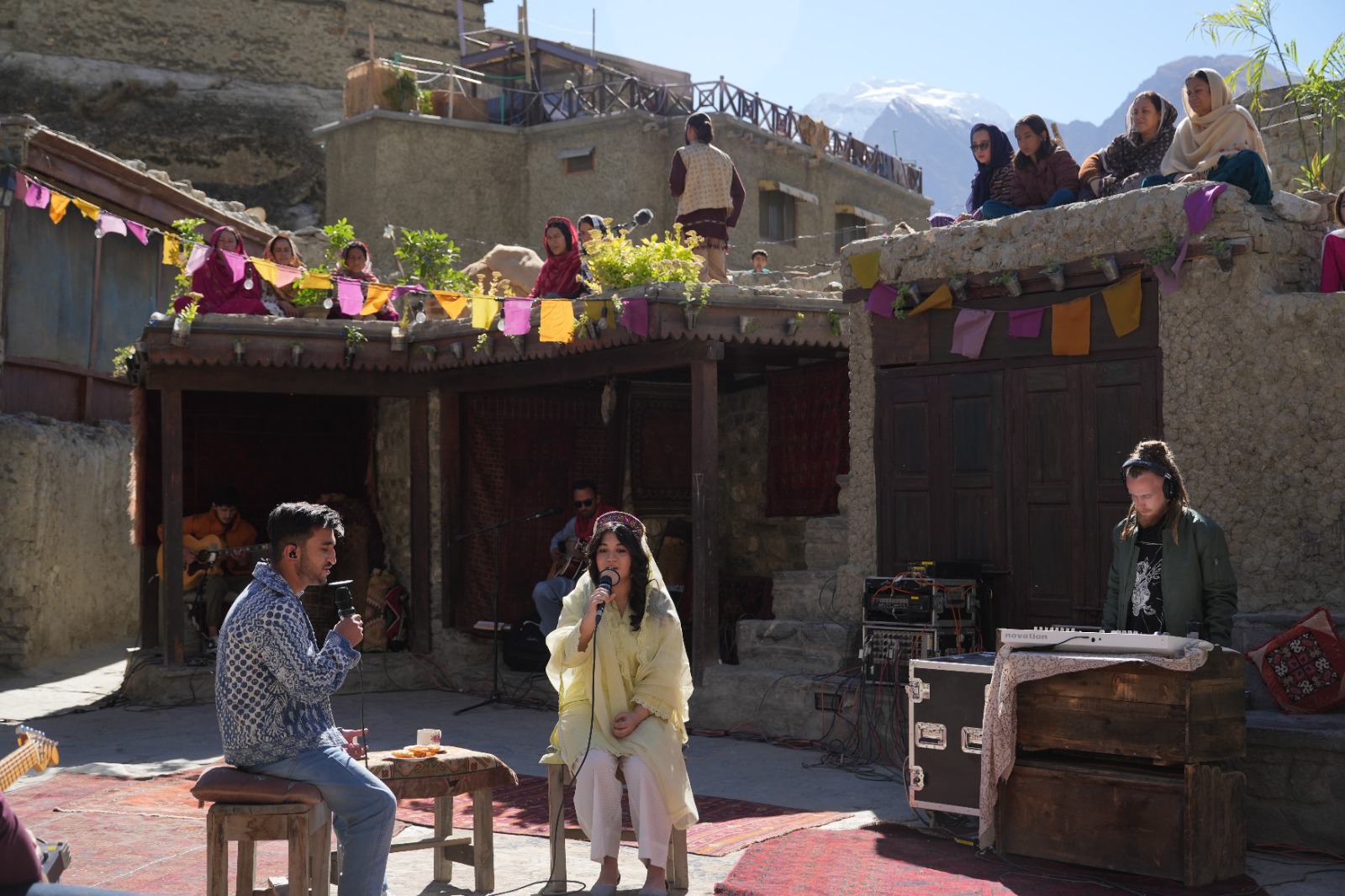
Over the course of 40 days, these artists are composing, recording, and releasing nine original tracks, each born from an unlikely fusion of languages, instruments, and identities. Daily jam sessions echo through the valleys. Local Hunzai craftsmen are teaching the art of instrument making. Evenings unfold into intimate performances open to the community — called “Sham e Mastana” — where music returns to its oldest and most essential purpose: human connection.
The choice of Hunza is no accident. Beyond its extraordinary landscapes lies a culture that has quietly preserved music as a living, breathing tradition across centuries. By placing Humnava here, its founders are making a deliberate and considered statement — that Pakistan’s creative future is not confined to the recording studios of Karachi and Lahore, but is rooted in its people, its heritage, and its extraordinary, untouched spaces.
For decades, Pakistan has existed on the periphery of the global music map, a place the world’s cultural conversation passed over rather than landed in. Humnava is determined to change that.
“For too long, the world has overlooked Pakistan as a creative destination,” Muhammad Ibrahim said. “We’re not trying to impress anyone. We’re building something real — something the world will eventually have no choice but to notice.”
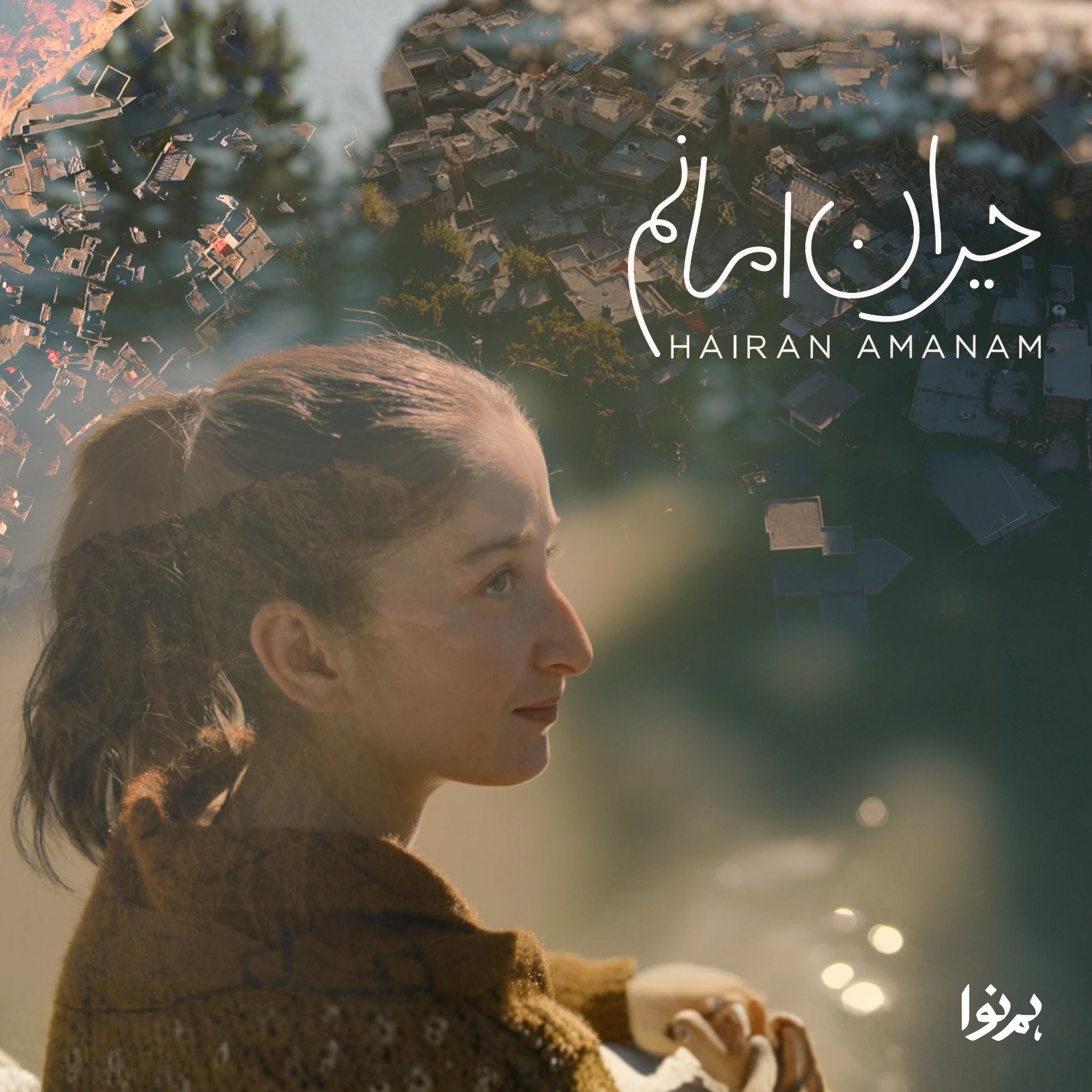
The world is already beginning to listen. The project’s first release dropped on April 16, 2026, and is being received as something that does not fit neatly into existing categories — which is, perhaps, precisely the point. With each new track, Humnava is not simply producing music. It is crafting a new cultural identity, one that is unmistakably Pakistani and unmistakably global at the same time.
The ambitions of Humnava extend well beyond the recordings themselves. A feature-length documentary is in production, intended for submission to international film festivals. Music videos, behind-the-scenes content, and live recordings are being distributed globally through Spotify, YouTube, and other major platforms. Strategic collaborations with institutions including UNESCO and various European cultural bodies lend institutional weight to a project that is as much about diplomacy as it is about art.
But perhaps Humnava’s most consequential idea lies in what comes next.
This is not a one-time experiment. It is a model — one designed to be repeated, refined, and expanded. Each future season will move to a different region of Pakistan, leaving behind not just recordings, but infrastructure, developed local talent, and a replicable blueprint for a sustainable, independent creative economy. The mountains of Hunza are only the beginning.
In a world increasingly defined by noise — by content produced at volume, by sound engineered for algorithms rather than for human ears — Humnava is offering something genuinely rare. It is offering authenticity: the kind that cannot be manufactured, only found, in the space between cultures willing to truly listen to one another.
And from the quiet valleys of Hunza, that authenticity is beginning to echo across borders.