

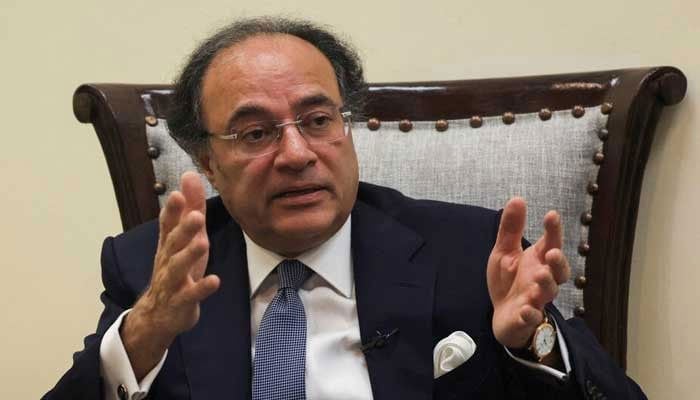
Pakistan’s Finance Minister, Muhammad Aurangzeb, has described the ongoing Middle East conflict as a significant supply shock to the global economy. During his visit to the United States, Aurangzeb participated in a high-level panel discussion at Harvard University, where he emphasized that Pakistan has maintained continuity in energy supply, with full transition to targeted subsidies, despite initial subsidies and better handling of the situation in the face of crisis.
Aurangzeb expressed his confidence in Eurobond repayments, indicating a strong reliance on foreign payments. He also highlighted a record rise in transit traffic at the Karachi Port, a significant increase in digital account transactions in March, and the importance of addressing the issue of sustainable remittances. Additionally, he stressed the need for attention on exports and the implementation of reforms.
The finance minister emphasized that the real challenge lies in the execution of reforms. He also stated that the government is committed to improving the business environment. According to the International Monetary Fund (IMF), Pakistan’s stable rating in the IMF program is attributed to the country’s financial stability and microeconomic efforts.
The Pakistan Stock Exchange witnessed a significant increase in the value of the rupee following the announcement of the US-Iran talks in Islamabad and US President Donald Trump’s statement on the Iranian Navy being completely destroyed, with 158 warships sunk.
The State Bank of Pakistan reported a 16.5% monthly decline and a 5.5% annual decline in remittances. Industry sources indicate a 15% decline in crude oil prices. The All Pakistan Sarraf Association reported a 15,700 rupee increase in the price of gold, bringing it to 504,162 rupees per tola.
