The Spirit of Ramadan and the Light of Service: Volunteers at the Islamic Center of Frisco
By: Raja Zahid Akhtar Khanzada
Across the United States, as the holy month of Ramadan unfolds, millions of Muslims immerse themselves in prayer, reflection and devotion, seeking the mercy and pleasure of God. Yet alongside the worshippers who fill mosques each evening, another quiet group labors in the background. Their devotion is not expressed through sermons or long prayers, but through service to others. They are the volunteers — men and women who believe that serving people is itself a path to pleasing God.
At places of worship across the country, volunteers organize parking lots, guide visitors, maintain order and ensure that the faithful can pray without worry. In doing so, they embody a fundamental principle of Islamic ethics: the fulfillment of Huquq al-Ibad, the rights owed to fellow human beings. When Jago Timesobserved the work of volunteers at the Islamic Center of Frisco in North Texas, it became clear that acts of worship are not confined to prayer rugs. They also live in the humble service offered outside the mosque doors.
During Ramadan, the Islamic Center of Frisco transforms into a vibrant spiritual hub. Each evening, thousands of worshippers arrive for iftar and the nightly Taraweeh prayers. Cars line the surrounding streets and families stream toward the mosque under the Texas night sky. Yet behind this large gathering operates a disciplined and largely unseen team that helps keep everything running smoothly.
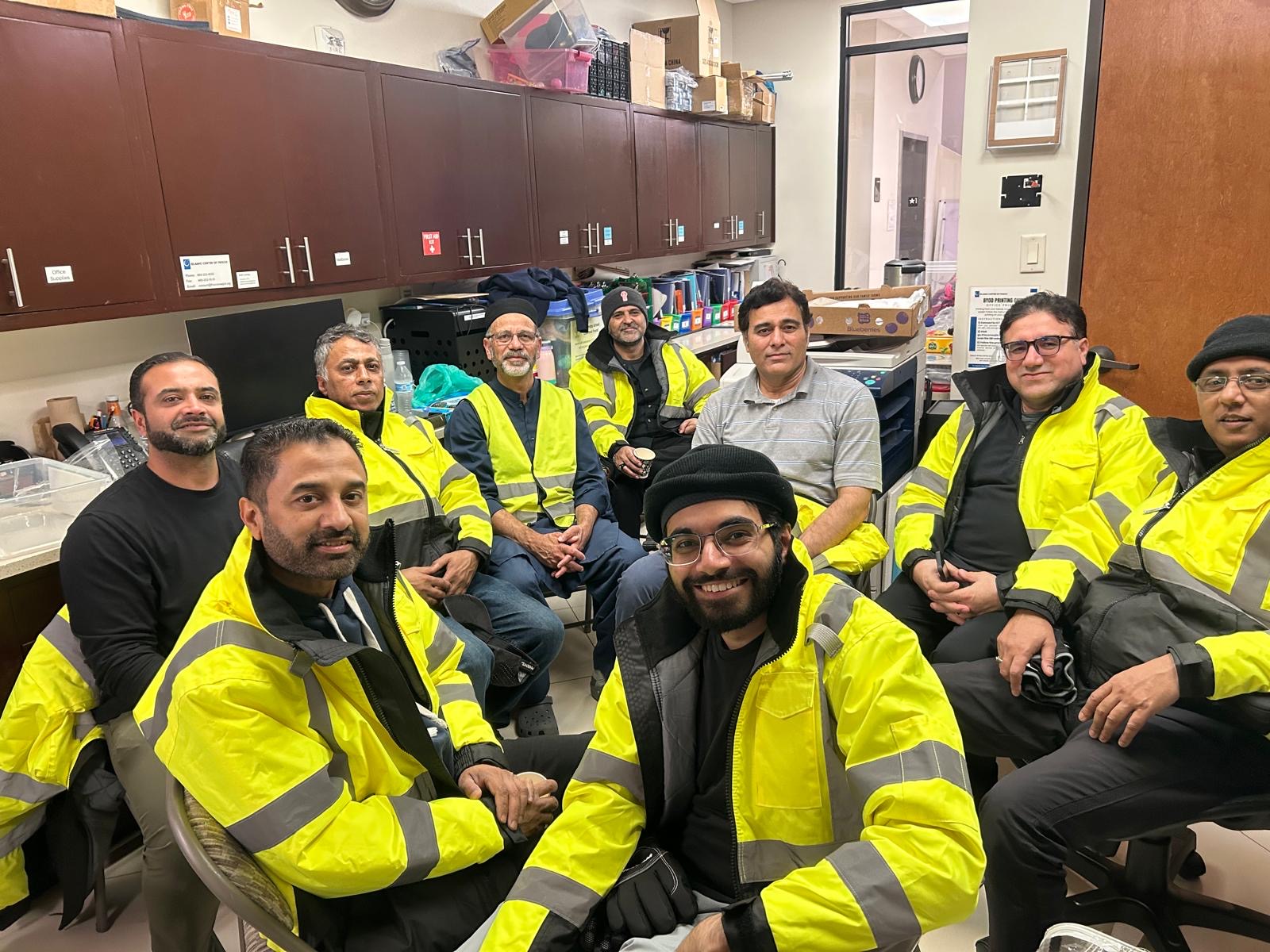
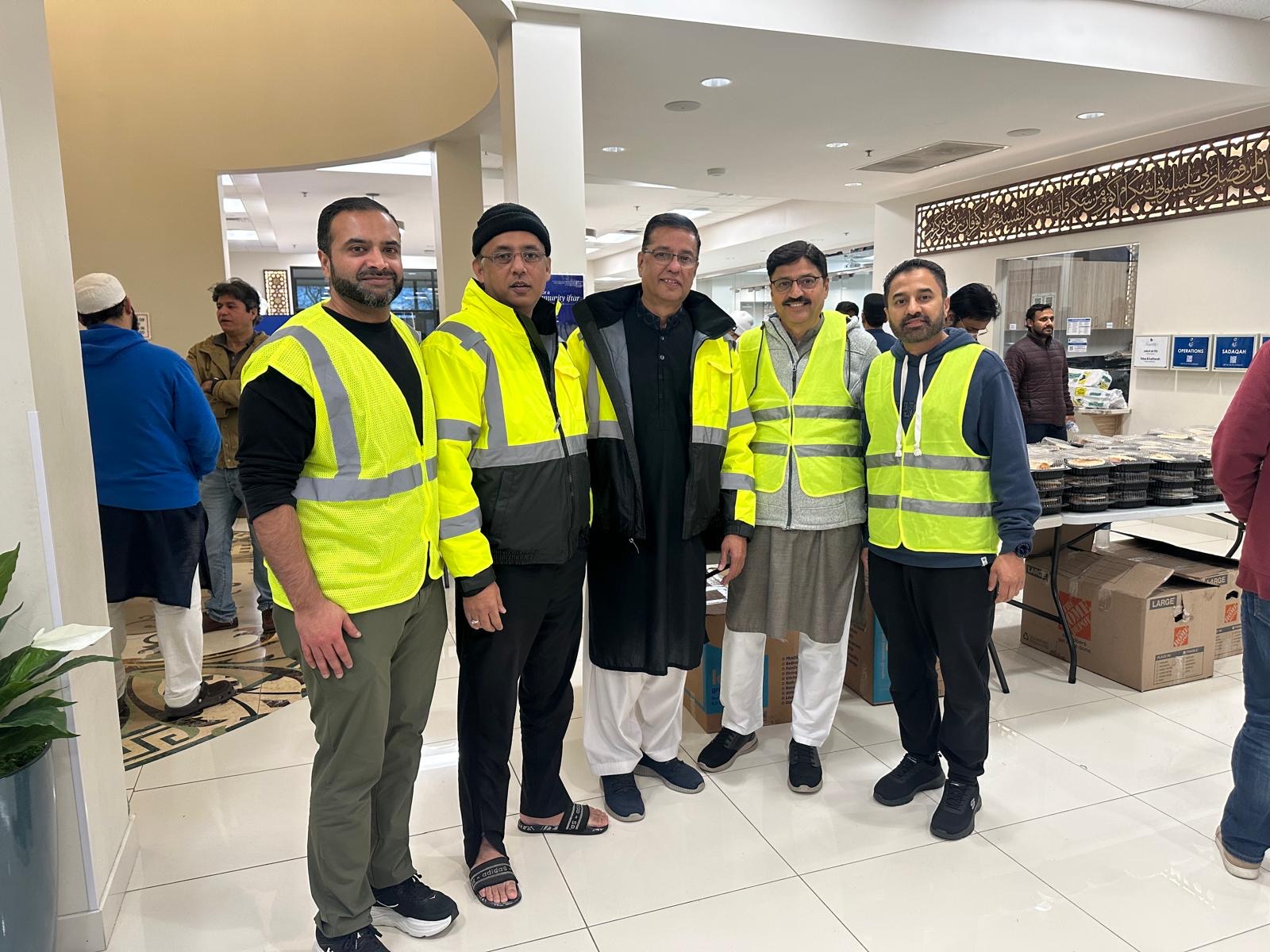
For years, a dedicated group of volunteers has quietly served the community here. Their primary responsibilities include managing traffic flow and organizing parking so that worshippers can enter and leave the mosque without confusion or delay. Throughout the thirty days of Ramadan, they report for duty every evening.
Weather offers them no excuse. Whether facing cold winds, heavy rain or the lingering heat of a Texas evening, these volunteers stand in reflective vests directing cars and guiding families with patience and determination.
One of the most remarkable features of this volunteer group is its diversity. Pakistani community leaders work alongside Indian and Bangladeshi Muslims, forming a team that reflects the broader multicultural character of the American Muslim experience. Different nationalities, languages and backgrounds merge into a single purpose: serving the community and honoring the sacred space of the mosque.
When the Islamic Center of Frisco first opened its doors years ago, the congregation numbered roughly one to twelve hundred members. Today that community has grown dramatically, with more than four thousand worshippers regularly attending events and prayers. Yet despite the increased size and complexity of the gatherings, the volunteer team continues to perform its duties with the same dedication and discipline that defined its earliest days.
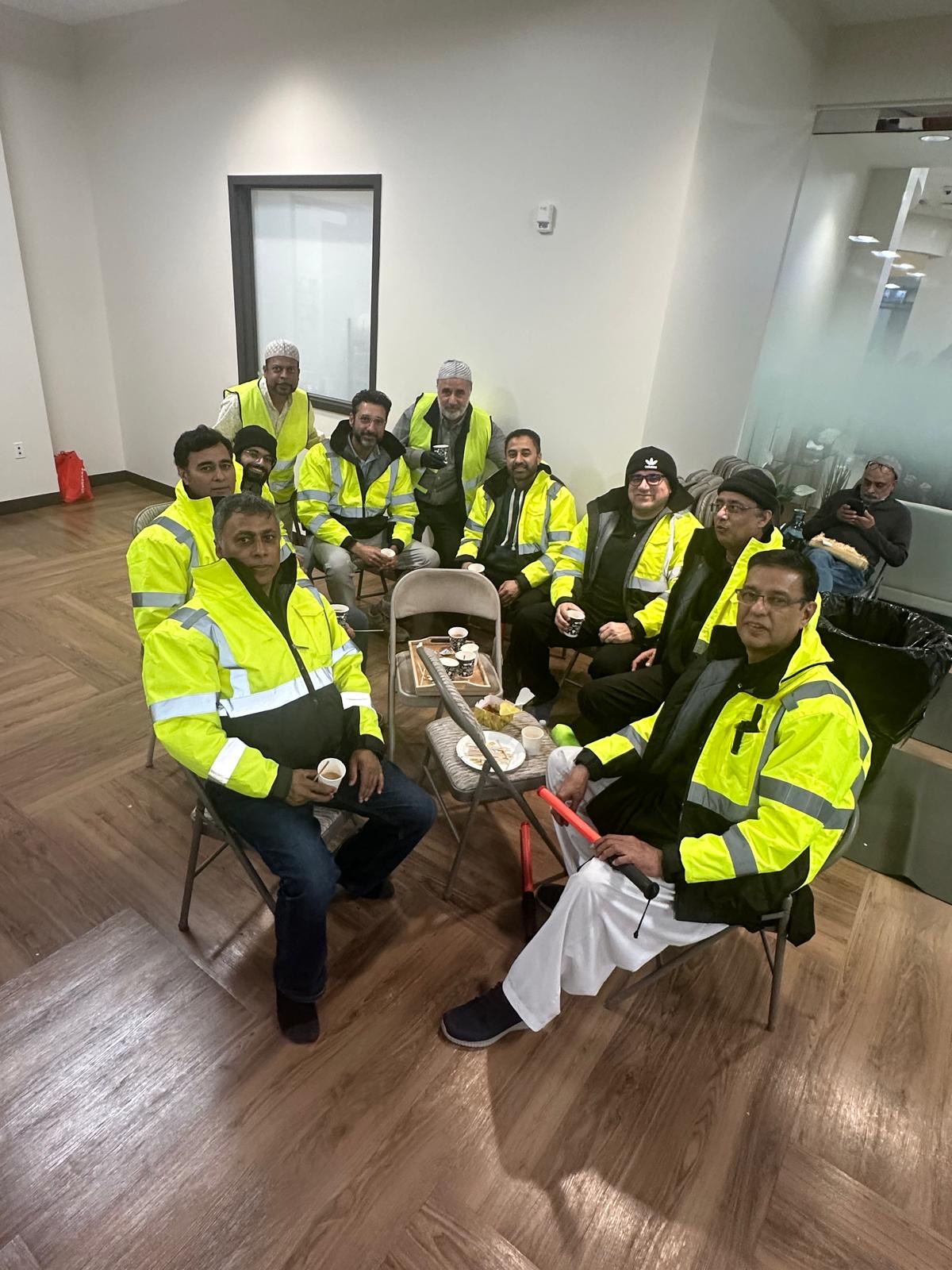
Communication among volunteers is constant. Many carry handheld radio sets that allow them to coordinate traffic flow and respond quickly to changing conditions. One volunteer directs vehicles into parking rows, another guides drivers toward available spaces, while others assist elderly visitors and families with children so that they can reach the mosque entrance without walking long distances.
Safety remains a central concern. Volunteers pay particular attention to children, women and elderly worshippers who approach the mosque on foot. Traffic is carefully controlled to minimize interaction between moving vehicles and pedestrians, ensuring that the flow of cars does not compromise the safety of those arriving for prayer.
Despite the responsibility and pressure of managing large crowds, the volunteers maintain a welcoming demeanor. Smiles are common. Their tone is respectful and calm, and they greet worshippers with a warmth that reflects the spirit of Ramadan itself. Their message is simple: they are here to serve.
The mosque administration, for its part, places significant trust in this team. Each year as Ramadan approaches, mosque leadership reaches out to the volunteers to confirm that they are once again ready to assume their responsibilities. Without hesitation, the team returns, ready to devote their evenings to community service.
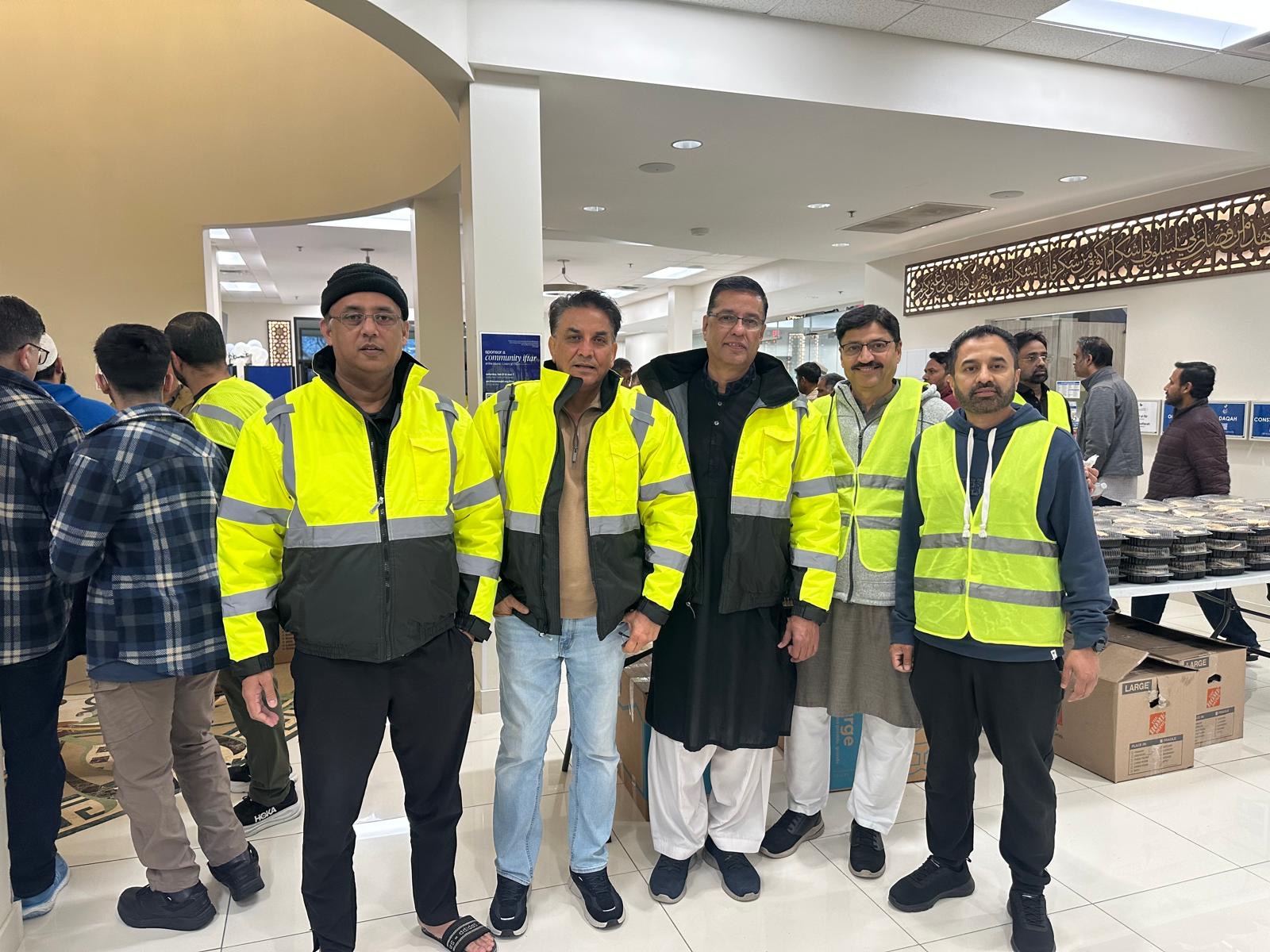
The appreciation from worshippers is equally visible. Many visitors pause as they leave the mosque to thank the volunteers personally. Drivers roll down their windows to express gratitude for the organized parking and the smooth flow of traffic that allows families to arrive peacefully and depart without frustration.
In moments like these, the volunteers serve as a reminder that devotion extends beyond the prayer hall. Some worshippers bow in prayer inside the mosque, while others stand outside guiding traffic and helping strangers. Both acts, in their own way, reflect the same spiritual intention.
Ramadan teaches patience, sacrifice and service. The volunteers of the Islamic Center of Frisco embody these lessons in practice. Their work demonstrates that when intentions are sincere, even the simplest acts can become forms of worship.
Late at night, as thousands of worshippers slowly depart after Taraweeh prayers, the volunteers remain at their posts near the parking lots. They smile quietly, directing the last cars toward the exit. Recognition is not what they seek. Their satisfaction comes from knowing that they have helped make the path to God’s house a little easier for others.
In that sense, their work reflects the true spirit of Ramadan.
Across the Dallas–Fort Worth metropolitan area, more than 170 mosques now serve the region’s growing Muslim population. In nearly every one of these mosques, similar volunteer teams work quietly behind the scenes. These individuals carve time out of busy professional and family lives to serve their communities and support the functioning of local mosques.
Their efforts illustrate how the spirit of service strengthens communities. In my view, the principle of serving others — the essence of Huquq al-Ibad — inspires compassion and cooperation within society. Perhaps the true purpose of life is not merely to live for oneself, but to stand ready for others, to help where help is needed, and to build bonds of humanity through acts of service.