

Article:
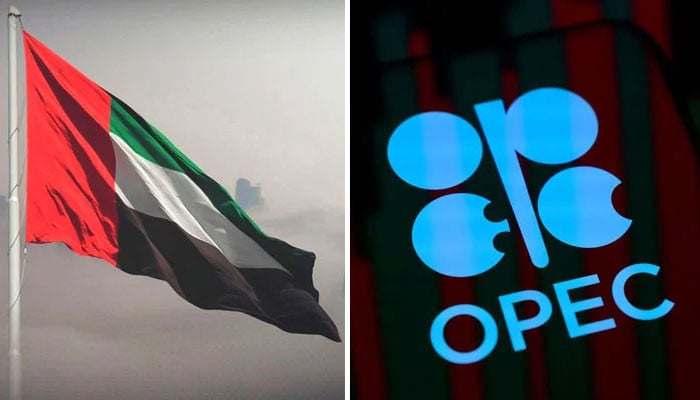
The United Arab Emirates (UAE) exit from the Organization of the Petroleum Exporting Countries (OPEC) may bring significant changes to the global oil market, potentially benefiting the United States. According to a report by Al Jazeera, the UAE had been objecting to OPEC’s production quotas for a long time, having invested heavily in increasing its oil production but failing to bring it to the market.
This development comes at a time when the Strait of Hormuz closure has impacted global oil supplies, leading to a surge in prices. In the wake of this situation, the UAE may be able to increase its oil production, potentially leading to a decrease in prices.
According to Al Jazeera, in the normal circumstances, the UAE could potentially supply around 2 million barrels of extra oil per day, which could lead to a decrease in prices. Experts quoted in the report believe that OPEC’s weakened grip will benefit the United States, as it would reduce the cartel’s influence on oil prices. The United States has already become a major oil-producing country, and this development may further strengthen its position.
Meanwhile, the UAE’s move is also seen as a reflection of its increasing political and economic ties with the United States. Experts believe that other OPEC countries may also follow the UAE’s lead, but it is more likely that the organization will weaken rather than collapse completely.
The UAE’s decision may also have implications for regional organizations, including the Gulf Cooperation Council. Following the UAE’s exit, OPEC countries have announced a daily production adjustment of 1.8 million barrels.
The United Arab Emirates’ decision to leave OPEC is seen as a significant development in the global oil market. The move may potentially alter the dynamics of the market, and the United States may be one of the beneficiaries.
