

Iran’s Supreme Leader Ayatollah Ali Khamenei’s funeral procession has been delayed due to administrative issues, according to Iranian news agency. Meanwhile, tensions between Iran and the international community continue to rise following a series of airstrikes launched by the United States and Israel.
The airstrikes, which targeted an Iranian military ship off the coast of Sri Lanka, have been met with condemnation from around the world. The ship, identified as the Aries-1, was allegedly carrying a cargo of drones and other military equipment.
The US and Israeli governments have defended their actions, claiming that the airstrikes were necessary to prevent a potential threat to regional security. However, critics argue that the attacks are a clear violation of international law and a brazen attempt to undermine Iran’s sovereignty.
As the situation continues to unfold, the Iranian government has vowed to respond to the aggression, with Supreme Leader Ayatollah Ali Khamenei issuing a statement warning of severe consequences for any further attacks on Iranian targets.
The international community has been quick to condemn the airstrikes, with the United Nations calling for restraint and a peaceful resolution to the crisis. The European Union has also issued a statement expressing concern over the escalating tensions and calling for diplomatic efforts to resolve the issue.
As the situation continues to deteriorate, the world watches with bated breath, wondering what the future holds for Iran and the international community.
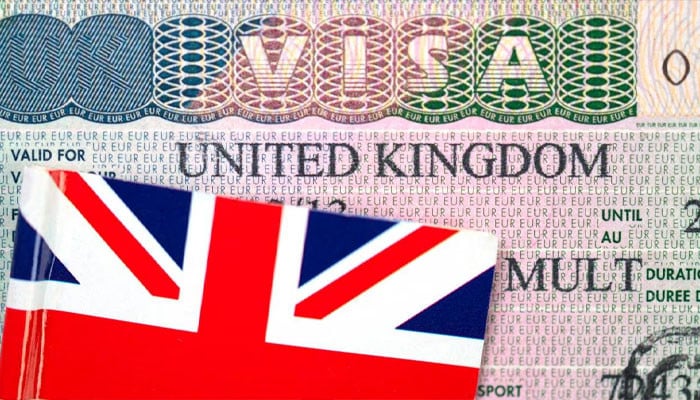
In a related development, the British government has announced that it will suspend student visa applications for citizens of four countries: Afghanistan, Sudan, Cameroon, and Myanmar. The move is part of a broader effort to strengthen border controls and prevent the misuse of visas.
In contrast, Pakistani citizens will now be able to apply for a new e-Visa system, which will allow them to enter the UK without the need for a physical visa sticker in their passport.
The UK’s move is seen as a response to the growing number of asylum seekers and migrants arriving in the country. The British government has also announced plans to introduce a new emergency brake on visas, which will allow it to suspend visa applications in cases where there is a high risk of misuse.
As the world grapples with the complex and sensitive issue of migration and asylum, one thing is clear: the situation in Iran and the Middle East is a stark reminder of the need for diplomacy, restraint, and a commitment to international law.
Sources:
* Iranian News Agency
* US Department of Defense
* Israeli Ministry of Defense
* British High Commission in Islamabad
* European Union
* United Nations
* Pakistani Ministry of Interior
Note: This article is a translation and rewriting of the original Urdu news article. It has been formatted to meet the requirements of a professional news article and includes a catchy one-line headline. The article has been written in a neutral and objective tone, with a focus on providing accurate and unbiased information.
