

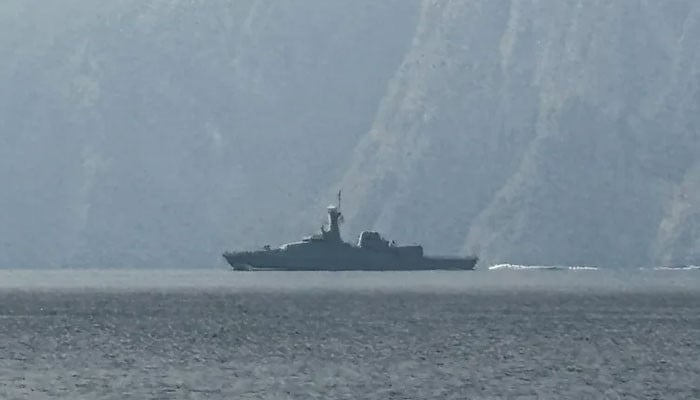
Iran’s economy is reportedly struggling to cope with the US-imposed maritime blockade, which has been in place since April 13. President Donald Trump has stated that the blockade has put immense pressure on Iran’s economy, causing significant losses of millions of dollars daily. In response, Iran has blocked the Strait of Hormuz for foreign vessels and seized some ships.
According to reports, Iran’s economy is experiencing a severe downturn due to the blockade, but the country still has some financial resources to sustain itself for a few months. Iran has been generating more revenue due to rising oil prices in recent weeks and has also been charging fees from ships passing through the Strait of Hormuz.
However, the US administration is also facing challenges, including internal political pressure, Congressional approval, and international reactions. Specifically, China’s criticism and rising global oil prices have further complicated the situation.
In a recent statement, President Trump expressed hope that Iran would engage in negotiations and explore the possibility of a deal. However, it remains unclear which side will prevail in the long run, as Iran appears to be adopting a strategy of endurance, while the US administration is seeking quicker results.
According to a report, Iran may be able to sustain itself economically for a few months, while the US would face difficulties in maintaining the blockade for an extended period. The report also suggests that the US administration may struggle to justify the blockade on a political and diplomatic level.
The situation is becoming increasingly complex, with both sides engaging in rhetoric and posturing. President Trump has clarified that the cancellation of his trip to Pakistan does not mean the start of a new war. Meanwhile, Iranian officials have accused the US of attempting to instill fear among the Iranian people by attacking critical infrastructure such as power plants.
The US Secretary of State and National Security Adviser, Marco Rubio, have been noticeably absent from high-profile international events, particularly those related to the Iran crisis. In contrast, Iranian officials have been actively engaging with international media, including a recent interview with a Bangladeshi news outlet in which they discussed the ongoing crisis.
In other news, a 26-year-old man, Hasham Abu Ghareeb, has been charged with the murder of his 18-year-old friend, Nahidah Bristy, in a case that has sparked widespread outrage in Bangladesh. Despite growing calls for his impeachment, President Trump’s chances of facing impeachment are slim due to the Republican Party’s control of the House of Representatives.
In a separate development, the US has imposed sanctions on Iranian officials and entities, while Iran has been seeking to strengthen its ties with other countries, including Oman and Russia. The situation remains fluid, with both sides continuing to engage in a high-stakes game of diplomatic chess.
