

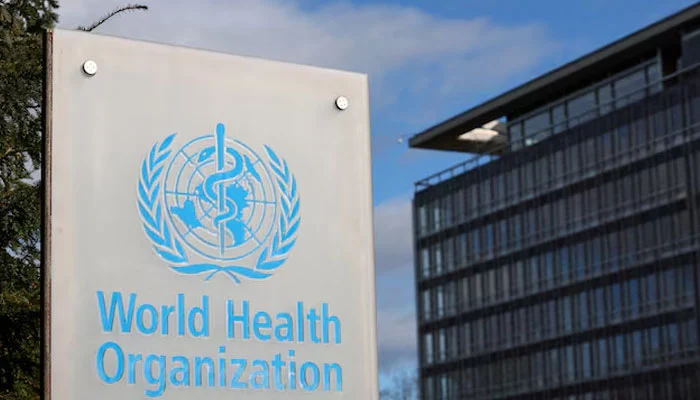
The World Health Organization (WHO) stated on Tuesday that there is no evidence that the painkiller Tylenol or vaccines cause autism. This statement came in response to recent comments made by the U.S. President and his administration that suggested the contrary.
On Monday, President Donald Trump insisted that pregnant women should “tough it out” and avoid Tylenol due to an unproven link to autism. He also called for significant changes to the standard vaccines given to babies.
For a long time, medical groups have considered acetaminophen, the main ingredient in Tylenol, to be one of the safest painkillers to use during pregnancy. WHO spokesperson Tarik Jasarevic acknowledged that some “observational studies have suggested a possible association between prenatal exposure to acetaminophen or paracetamol and autism.”
However, he told reporters in Geneva that “the evidence remains inconsistent.” He pointed out that many studies conducted since those initial observations “found no such relationship.” He warned against “drawing casual conclusions about the role of acetaminophen in autism,” emphasizing that “If the link between acetaminophen and autism were strong, it would likely have been consistently observed across multiple studies.”
Vaccines were also on the agenda of Trump’s press conference on Monday, where he repeated anti-vaccine talking points. He cast doubt on standard vaccines, including the MMR shot, and suggested he would end the common use of aluminum in vaccines, despite the safety of this practice being widely studied.
Identifying the root of autism, a complex condition linked to brain development that many experts believe is predominantly genetic, has been a personal cause for Trump’s health secretary, Robert F. Kennedy Jr. Kennedy has spent decades spreading claims that vaccines cause autism.
When asked about the fears raised by the U.S. administration over childhood vaccines, Jasarevic was clear: “Vaccines do not cause autism.” He added, “The childhood immunization schedule, carefully guided by WHO, has been adopted by all countries and has saved at least 154 million lives over the past 50 years. These schedules have continually evolved with science and now safeguard children, adolescents and adults against 30 infectious diseases.”
He did, however, issue a warning: “When immunization schedules are delayed or disrupted, or altered without evidence review, there is a sharp increase in the risk of infection not only for the child but also for the wider community.” He concluded by stating, “Each missed dose increases the chances of contracting a life-threatening infectious disease.”
