

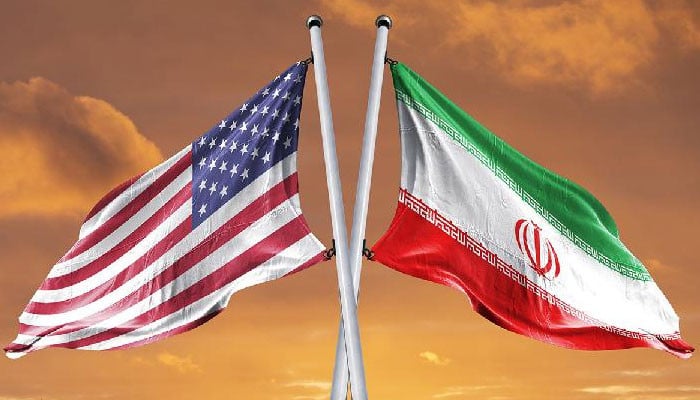
The proposed Iran-US nuclear deal is currently delayed due to several key disagreements between the two countries. The global focus is now on the actions that each country will take in the future. According to reports, the chances of Iran agreeing to the recent proposals made by the US are slim, as they do not include significant concessions on the nuclear program in exchange for a ceasefire. Iran’s nuclear program is a major point of contention, with the US pushing for a complete dismantling of the program, while Iran argues that such restrictions should be limited in time. Uranium reserves also pose a significant issue, with the US demanding full control over Iran’s almost 400 kilograms of enriched uranium, a demand that Iran has rejected. The Strait of Hormuz has also become a focal point of tension, with Iran maintaining restrictions and requiring the lifting of US naval blockades as a prerequisite. The US, on the other hand, insists that the blockades will remain in place until a deal is reached. Iran’s assets worth over $100 billion are frozen in various countries, with restrictions on access. Iranian officials have also demanded the lifting of economic sanctions and the release of frozen assets worth around $20 billion in order to reach a deal. Additionally, Iran has demanded compensation of over $279 billion for damages caused by US and Israeli attacks, which has become another major obstacle in the negotiations. Regional influence is also a sensitive issue, with the US wanting Iran to limit its support for allies such as Hezbollah in Lebanon and Hamas in Gaza, a position that Iran does not agree with. Experts believe that resolving these fundamental disagreements is crucial to reaching a comprehensive agreement. According to the US State Department, US President Donald Trump has stated that the US will never allow Iran to obtain nuclear weapons.
Iran-US Nuclear Deal Hinges on Resolving Key Disagreements
Keep Reading
Add A Comment
