

The Economist has released a report listing countries facing severe consequences due to the ongoing energy crisis triggered by the Middle East conflict. Following the US and Israeli attacks on Iran on February 28, global energy and oil markets have witnessed a downturn as Iran has responded effectively by closing the Strait of Hormuz and targeting oil refineries in the Gulf states. The conflict has led to a rise in oil and energy prices worldwide.
According to the report, Pakistan is among the countries severely affected by the global energy crisis. The government has prepared a comprehensive plan for energy conservation and protection, and on March 6, it increased the prices of petrol and diesel by Rs 55 per liter. The report warns that over 240 million people’s economies are at risk during the conflict, as they heavily rely on oil imports from Gulf countries. Pakistan’s economy also relies on remittances from Gulf countries, where over 5% of the country’s GDP comes from Pakistani citizens working there.
Islamabad, Pakistan: Petrol prices have reached Rs 100 per liter, while LG gas prices have reached Rs 530 per kilogram. The Pakistan Stock Exchange (PSX) has seen a decrease of 1308 points, taking the 100-index to 150398. Vice Chairman of All Pakistan Petrol Pump Association, Naeem Butt, expressed concern over the increased prices of petroleum products.
The Pakistan Bureau of Statistics has released a weekly report on inflation. Gold prices have increased in markets across Pakistan. The possibility of increased airfare has increased following the rise in fuel prices. The Power Division has released a three-month report on the government’s energy package, revealing that industrial and agricultural sectors have used 23% more electricity from December 2025 to February 2026.
Chairman of the Pakistan Public Transport Owners Association has urged the government to reverse the increase in diesel prices. According to statistics, there has been an 8% decrease in exports from July to March. The State Bank of Pakistan has made a significant decision to financially empower the country’s youth.
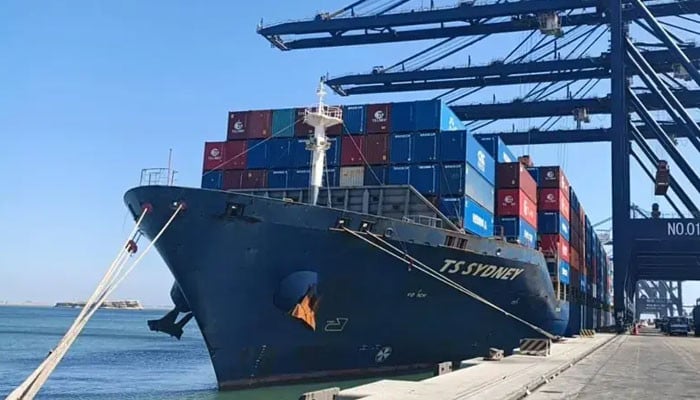
Markets across Pakistan have seen a rise in gold prices. The closure of the Strait of Hormuz due to the Middle East conflict has led to a significant increase in trade costs worldwide. A high-profile meeting was held at the Karachi Port, chaired by Federal Minister for Maritime Affairs, Jamshed Iqbal Cheema. The US, Israel, and Iran have caused a loss of $120 billion to the UAE’s markets during the conflict.
US President has given Iran 10 days to agree to a deal or reopen the Strait of Hormuz, and 48 hours remain. Russia’s state nuclear company has removed 198 employees from the Bushehr nuclear power plant in Iran after US and Israel’s projectile attacks.
The writer notes that Pakistan has maintained relations with China, while US President Trump prefers Pakistani Field Marshal as a mediator, and Indian Prime Minister Narendra Modi faces a diplomatic setback. News agency reports that Hamida Sulemani and her daughter have been arrested after their green card was revoked. Iran claims to have successfully targeted an Israeli ship using a drone. The commander of the Gerald Ford has stated that the Yemeni rebels and steadfast people are too afraid to cross the Bab-el-Mandeb Strait.
