

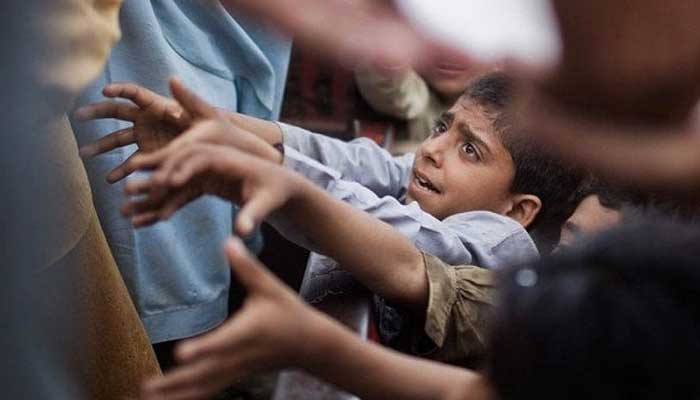
With an existing poverty rate of 25.3% in Pakistan, the World Bank (WB) is urging for bold, sustained, and people-centered reforms to reduce poverty, strengthen resilience, and protect vulnerable populations. The lender’s report, “Reclaiming Momentum Towards Prosperity: Pakistan’s Poverty, Equity and Resilience Assessment,” issued on Tuesday, is the first comprehensive evaluation of poverty and welfare trends in the country since the early 2000s, based on 25 years of official household surveys.
Speaking at a press briefing, WB Country Director Bolormaa Amgaabazar stated that the poverty level in Pakistan has increased by 7% over the past three years. She noted that “Poverty rate in 2022 was 18.3% and increased to 25.3% in 2024-25,” while recalling that the poverty rate had seen an annual decrease of 3% between 2001 and 2015, which then slowed to 1% between 2015 and 2018. However, Amgaabazar pointed out that the rate increased after the COVID-19 pandemic in 2020.
Amgaabazar highlighted that since the last household survey in 2018-19, income from non-agricultural sectors has been a key factor in poverty reduction. She emphasized that the poverty rate saw a 57% reduction in the non-agri income sector, compared to only 18% in the agricultural sector. She also noted that while remittances contributed to poverty reduction, Pakistanis’ income only increased by 2-3% between 2011 and 2021. “85% of people work in low-income sectors and 95% work in informal ones,” she remarked.
Prioritizing Fiscal Management and Structural Reforms The WB report also notes a steady decline in the national poverty rate from 64.3% in 2001-02 to 21.9% in 2018-19. However, the rate began to rise in 2020 due to compounding shocks like the COVID-19 pandemic, inflation, floods, and macroeconomic stress, as the previous consumption-driven growth model reached its limit. To address this, the report calls for sustained and people-centered reforms to protect vulnerable families, improve livelihood opportunities, and expand access to basic services.
The report, which taps into 25 years of survey data and other sources, uses micro-simulation models to project poverty estimates beyond 2018-19, the latest available survey round. New estimates will be produced once the HIES 2024-25 data is released.
WB Country Director Amgaabazar stressed that it is “critical to protect Pakistan’s hard-won poverty gains while accelerating reforms that expand jobs and opportunities—especially for women and young people.” She added that by “focusing on results — investing in people, places, and access to opportunities; building resilience against shocks; prioritizing fiscal management; and developing better data systems for decision-making — Pakistan can put poverty reduction back on track.”
The assessment found that while poverty reduction was driven by rising non-agricultural income as people shifted from farm work to low-quality service jobs, slow and uneven structural transformation has hindered diversification, job creation, and inclusive growth. As a result, low productivity across sectors has constrained income growth. The report also highlights that over 85% of jobs remain informal, and women and youth are largely excluded from the labor force.
Furthermore, the report highlights significant human capital gaps, noting that nearly 40% of children are stunted, a quarter of primary-school-aged children are out of school, and 75% of those who attend primary school cannot read and understand a simple story by the end of the cycle. Public service deficits are also widespread, with only half of all households having safely managed access to drinking water and 31% lacking safe sanitation in 2018. The report underscored that rural poverty remains more than twice as high as urban poverty, and many districts that lagged behind decades ago continue to do so today.
Christina Wieser, a Senior Economist and lead author of the report, said that “Progress in poverty reduction is threatened by structural vulnerabilities.” She added that reforms that “expand access to quality services, protect households from shocks, and create better jobs—especially for the bottom 40%—are essential to break cycles of poverty and deliver durable, inclusive growth.”
The report outlines four pathways to restore progress. First, invest in people, places, and opportunities to address human capital gaps, especially for the most disadvantaged. This includes strengthening local governance alongside investments in public services like health, education, housing, water, and sanitation. Second, build household shock-resilience by making safety nets responsive and inclusive. Third, adopt progressive fiscal measures by improving municipal finance, phasing out inefficient subsidies, and prioritizing targeted investments for the poorest. Finally, invest in timely data systems to guide decisions, target resources, and track results.
