

A US appeals court on Friday refused to block a lower court’s ruling that the Trump administration could not unilaterally cut billions of dollars in foreign aid. This decision requires the administration to swiftly spend funds on projects that have already been authorized by Congress.
The US Court of Appeals for the District of Columbia Circuit issued its ruling just days after a lower court ordered the administration to spend approximately $11 billion on foreign aid projects before the Congressional authorization for the spending expires in September.
The appeals court did not explain its decision, stating only that the Trump administration had not “satisfied the stringent requirements” to pause the ruling during the appeal process. Circuit Judge Justin Walker, a Trump appointee, dissented, saying he would have put the lower court’s decision on hold.
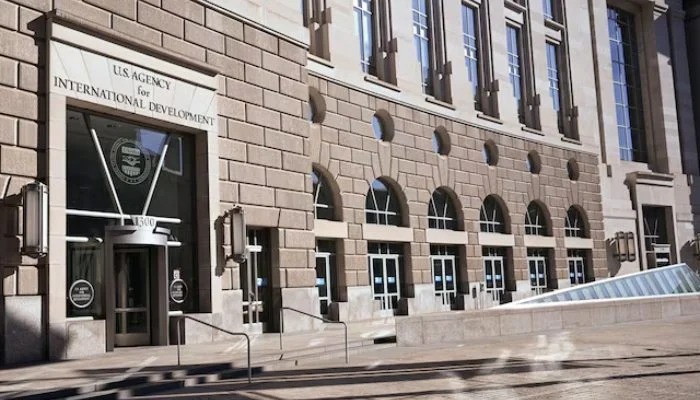
After facing a lawsuit from aid groups that had hoped to compete for the funding this year, the Trump administration stated its intention to spend $6.5 billion of the funds appropriated for foreign aid in 2024. However, it sought to withhold $4 billion in funding earmarked for the US Agency for International Development (USAID), an agency the Trump administration has largely dismantled.
US District Judge Amir Ali in Washington, DC, ruled on Wednesday that the administration cannot simply choose not to spend the money. He stated that the administration remains obligated to comply with appropriations laws unless Congress changes them.
Ali’s order, if upheld throughout the appeal process, would prevent Trump from effectively bypassing Congress to cancel foreign aid funding. During the lawsuit, Trump had attempted to block the $4 billion in disputed funding through a “pocket rescission” that sidesteps Congress.
Trump’s budget director, Russell Vought, has argued that the president can withhold funds for 45 days after requesting a rescission, which would allow the clock to run out until the fiscal year ends on September 30. The White House noted that this tactic was last used in 1977.
The funds in question were allocated for foreign aid, United Nations peacekeeping operations, and democracy-promotion efforts overseas. Ali ruled that simply asking Congress to rescind the $4 billion is not sufficient, stating that the spending must proceed unless Congress affirmatively acts to stop it. He explained that he ruled quickly to give higher courts enough time to weigh in before the funds reach their expiration dates. The 6-3 conservative majority US Supreme Court has already intervened once in the case, requiring the Trump administration to pay foreign aid organizations for work they had already performed for the government.
