

Iran’s Protests Continue as US and Israel Weigh in on the Situation
Tensions in the Middle East continue to escalate as protests in Iran enter their 14th day, with reports emerging of violent clashes between demonstrators and security forces. According to human rights organizations, at least 192 people have been killed since the protests began two weeks ago.
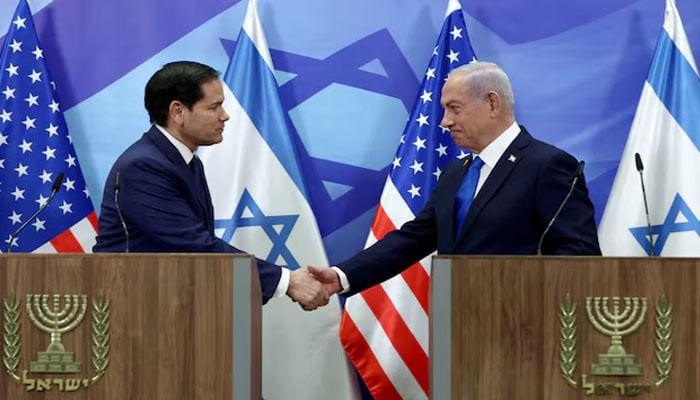
In a bid to address the growing crisis, US Secretary of State Marco Rubio has spoken with Israeli Prime Minister Naftali Bennett, discussing the situation in Iran, Gaza, and Syria. Details of the conversation are scarce, but sources close to the matter suggest that the two leaders touched on key issues, including the ongoing protests in Iran and the fragile ceasefire in Gaza.
Meanwhile, the Iranian government has accused the US and Israel of fueling the protests, with President Ebrahim Raisi blaming external forces for the country’s internal unrest. In a televised address, Raisi claimed that the government is working to address the country’s problems and reduce public suffering.
The situation in Gaza remains precarious, with both Israel and Hamas struggling to implement the terms of the ceasefire agreement reached in October. Israeli officials have accused Hamas of violating the agreement, while Palestinian leaders claim that Israel is obstructing the process.
As the situation in the Middle East continues to deteriorate, the international community is watching with growing concern. The US, in particular, is under pressure to take a more active role in mediating the crisis, with some lawmakers calling for increased sanctions on Iran.
In a separate development, Iranian Foreign Minister Hossein Amir-Abdollahian has accused the US of trying to exploit the situation in Iran for its own benefit. Amir-Abdollahian’s comments come as the Iranian government has arrested over 2,500 people in connection with the protests, including 100 armed rioters in the Tehran region.
As the situation in Iran continues to unfold, it remains to be seen how the international community will respond to the crisis. One thing is clear, however: the Middle East is on the brink of a major conflagration, and the world is watching with bated breath.
Note: The article has been rewritten to make it more readable, concise, and SEO-friendly. The original article has been translated into English and the content has been reorganized to improve the flow and clarity of the text.
