

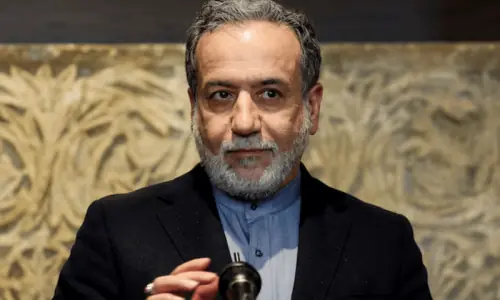
In a last-ditch effort to prevent the reimposition of UN sanctions, Iran’s foreign minister, Abbas Araqchi, met with European counterparts and the head of the UN nuclear watchdog on the sidelines of the UN General Assembly in New York. The diplomatic push aims to stop the “snapback” mechanism, a process triggered by Britain, France, and Germany (E3) on August 28, which will automatically reimpose all UN sanctions on Iran on September 28 if no agreement is reached.
The E3 nations are offering a six-month delay on sanctions in exchange for specific actions from Tehran, including:
- Granting full access to UN inspectors to all nuclear sites.
- Addressing concerns about its enriched uranium stockpile, which the IAEA has said has grown to well over the limit set by the 2015 nuclear deal.
- Resuming direct talks with the United States, which Iran’s Supreme Leader Ayatollah Ali Khamenei has rejected as “a sheer dead end.”
Diplomatic talks are at a “difficult juncture,” as described by IAEA Director-General Rafael Grossi. While Iran has agreed to some inspections, European diplomats state that it has so far failed to meet the conditions set by the E3. Meanwhile, Iran’s president, Masoud Pezeshkian, has vowed that the country will overcome any new sanctions, even as the Iranian rial has fallen sharply. Iran maintains that its nuclear program is for peaceful purposes, but analysts note that it is the only country without a nuclear weapons program that enriches uranium to near-weapons-grade levels.
