

President Donald Trump is molding Washington D.C. into his own personal showcase through an ambitious series of White House renovations and citywide projects.
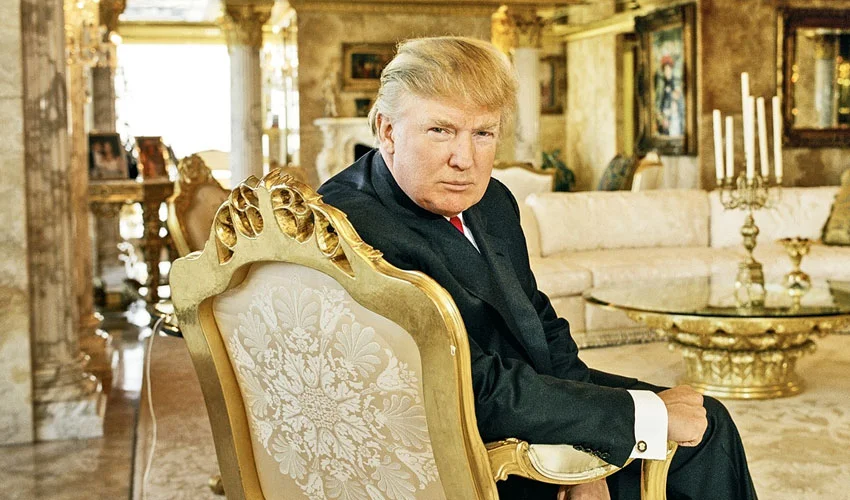
As a former property magnate, Trump has imbued the White House with his signature style. The Oval Office now features gold trim, while the Rose Garden has been converted into a patio with umbrellas and picnic tables—a change reminiscent of his Mar-a-Lago resort in Florida.
Visitors have commented on the bold aesthetic, which British writer Peter York once called “dictator chic.” Trump himself has framed the changes as a part of his talent for “building things,” connecting his renovations to broader initiatives to beautify the city and bolster security.
Historical Context of Presidential Renovations
Trump is not the first president to reshape the White House. Franklin Roosevelt oversaw the construction of the current Oval Office, Harry Truman led a major postwar overhaul, and John F. Kennedy modernized the Rose Garden.
Stewart McLaurin, president of the White House Historical Association, said past renovations also faced criticism but eventually became integral to the building’s identity. However, Trump’s changes—from a music-equipped Rose Garden to giant mirrors and oversized flags—are considered the most striking in nearly a century.
Ambitions Beyond the White House
Trump’s vision extends beyond the White House grounds. His plans include revamping the Kennedy Center with marble finishes, repairing streets, installing new road barriers, and removing graffiti. He has also deployed National Guard troops across the city and has suggested similar measures for other urban centers.
The new East Wing ballroom, estimated at $200 million, will be funded partially by Trump and “patriot donors,” though he expects Congress to cover a portion of the $2 billion bill for his broader citywide improvements.
Critics warn that Trump’s approach blurs the line between personal branding and state governance, while supporters admire his hands-on style and desire to enhance the capital. Oversized posters of Trump’s face now adorn Washington streets, further emphasizing his larger-than-life presence in the city.
Experts say this combination of architectural projects and military displays is a performance of power, reflecting Trump’s brand as both a builder and a showman. It raises questions about his legacy, the state of democracy, and the future of the capital’s identity.
