

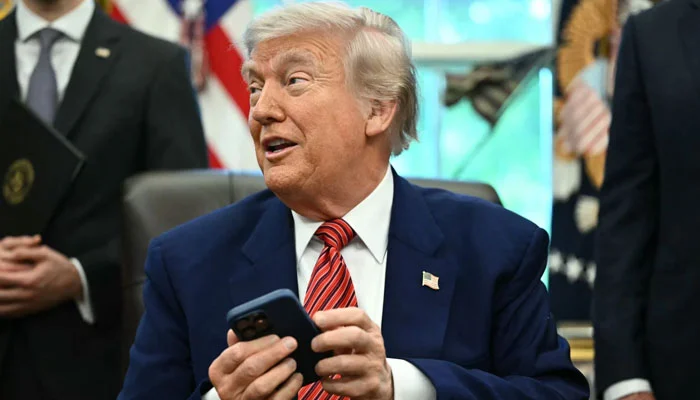
Donald Trump is leveraging his reputation as a tough negotiator and a skilled dealmaker—a reputation that has served him well throughout his life—with a highly aggressive, protectionist tariffs policy. On Friday, the White House released an image of the U.S. president with a smartphone to his ear, bearing the caption: “Making calls. Making deals. MAKING AMERICA GREAT AGAIN!” Supporters often hail every trade agreement he announces as proof of his negotiation skills, fueled by his conviction that tariffs are a tool and a display of America’s economic power.
This week’s flurry of tariff changes followed the same pattern. On Thursday, the former real estate developer, with a simple stroke of a black marker, imposed new tariffs on dozens of U.S. trade partners. The implementation date was moved to August 7 from the previously announced “hard deadline” of August 1. This recurring pattern of the Republican leader setting trade deadlines only to extend or retract them—most recently granting Mexico a 90-day extension—has led to the derisive acronym “TACO” (“Trump always chickens out”). This joke, which implies that Trump is all talk and no action on trade, has previously seemed to strike a nerve with the president.
However, analysts believe he will not back down this time. Josh Lipsky, an international economics expert at the Atlantic Council think tank, told AFP that Trump has “not chickened out.” Instead, he is “following through, if not exceeding” the tariff vows he made during his campaign. Matthew Aks, a public policy analyst at Evercore ISI, stated he does not anticipate a “massive shift” on the latest order, though he noted some countries like Taiwan or India might still strike deals during the seven-day extension.
Following intense negotiations leading up to the tariff announcement, Trump reached a series of compromises with countries like the European Union, Japan, and South Korea, setting varying tax rates and promoting significant investments in the United States. The specifics of these agreements remain unclear, raising key questions about potential exemptions, the future of vital sectors like automobiles and semiconductors, and the ongoing situation with China. Aks explained that the U.S. president and leaders of other nations “have reasons to avoid going into detailed agreements,” as this allows each side to frame the outcomes as positively as possible to their own public. For the 79-year-old Republican, this ability to finalize deals—often with or without crucial details—is an essential part of his political brand.
