

On Saturday, President Donald Trump stated that the United States is prepared to impose new energy sanctions on Russia, but only if all NATO nations cease purchasing Russian oil and implement similar measures.
In a social media post, Trump said, “I am ready to do major sanctions on Russia when all NATO nations have agreed, and started, to do the same thing, and when all NATO nations stop buying oil from Russia.”
In recent weeks, the United States has increased pressure on NATO countries to tighten energy sanctions on Russia in an effort to help end its war with Ukraine. This conflict is one that Trump has struggled to bring to a close despite repeated threats of harsher penalties on Moscow and its partners.
Trump has also faced domestic criticism for repeatedly setting and then allowing two-week deadlines for Russia to de-escalate to pass without any concrete action.
An August Reuters/Ipsos poll found that 54% of Americans, including one in five of Trump’s fellow Republicans, believe the president is too closely aligned with Russia.
The finance ministers of the G7 nations discussed further sanctions on Russia during a Friday call, as well as possible tariffs on countries they consider to be “enabling” its war in Ukraine.
Energy revenues remain the Kremlin’s single most important source of funding for the war effort, making oil and gas exports a primary target of Western sanctions. However, officials and analysts warn that aggressive curbs on Russian crude also carry the risk of driving up global oil prices, which could strain Western economies and weaken public support for the measures.
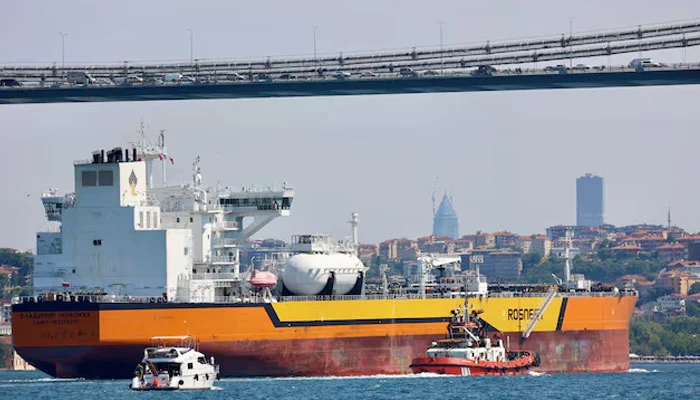
According to the Centre for Research on Energy and Clean Air, since 2023, NATO member Turkiye has been the third-largest buyer of Russian oil, after China and India. Other members of the 32-state alliance involved in purchasing Russian oil include Hungary and Slovakia.
Trump, who is spending the weekend at his Bedminster, New Jersey, golf club, stated that NATO, acting as a bloc, should impose tariffs of 50% to 100% on Chinese imports, a move he believes would weaken Beijing’s economic grip on Moscow.
Trump has already imposed an extra 25% tariff on imports from India to pressure New Delhi to halt its purchases of discounted Russian crude oil, bringing total punitive duties on Indian goods to 50% and souring trade negotiations between the two democracies.
However, Trump has refrained from imposing additional tariffs on Chinese imports over China’s purchases of Russian oil, as his administration navigates a delicate trade truce with Beijing.
