

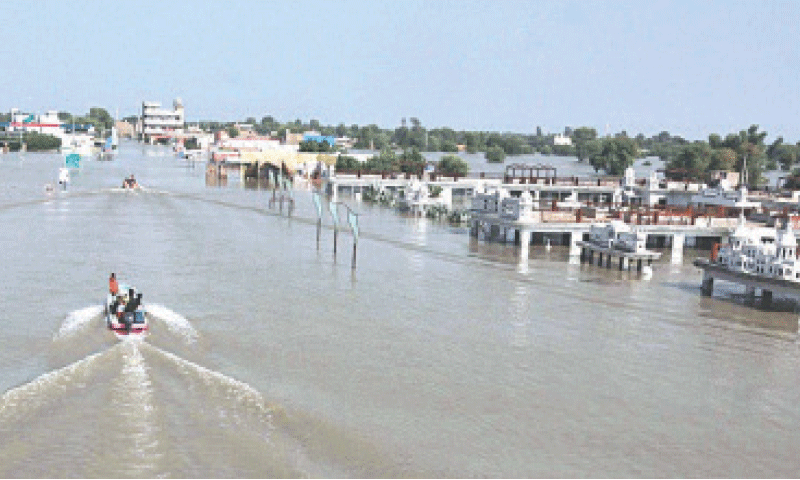
The water cycle is becoming increasingly erratic and extreme, with more frequent swings between deluge and drought, according to the latest report from the World Meteorological Organization (WMO). The report, titled “The State of Global Water Resources 2024,” highlights the significant and cascading impacts of these extremes on global economies and societies.
Key Findings
The WMO’s report on global water resources reveals several concerning trends:
- Imbalanced River Basins: For the sixth consecutive year, only about one-third of the world’s river basins had “normal” conditions in 2024. The remaining two-thirds experienced either excessive or insufficient water levels.
- Glacier Loss: The year 2024 was the third straight year of widespread glacier loss across all regions. Glaciers lost an estimated 450 gigatonnes (Gt) of water, contributing 1.2mm to the global mean sea-level rise.
- Groundwater Levels: An analysis of groundwater monitoring stations across 47 countries found that only 38% had normal levels in 2024, with the rest being either below or above normal.
- Deviations in River Discharge: River discharge (the volume of water flowing in a river) exhibited deviations from normal conditions in approximately 60% of the global catchment area. While some major basins, like the Danube, Ganges, and Indus, experienced above-normal conditions, others, such as the Amazon and basins in southern Africa, faced severe drought.
Impact on Societies
The report emphasizes the severe consequences of these changes on human life and livelihoods. An estimated 3.6 billion people face inadequate access to water for at least a month per year, a number projected to increase to more than 5 billion by 2050. WMO Secretary-General Celeste Saulo noted that water resources are under growing pressure, and more extreme water-related hazards are having an increasing impact on lives and economies.
