

The U.S. and China have once again postponed the reinstatement of trade tariffs. Had the deadline passed, duties on Chinese goods would have reverted to 145 percent, exacerbating tensions between the world’s two largest trading partners. This extension comes after both countries had temporarily lowered tariffs in May during a meeting in Geneva, despite having previously imposed escalating duties that disrupted global trade.
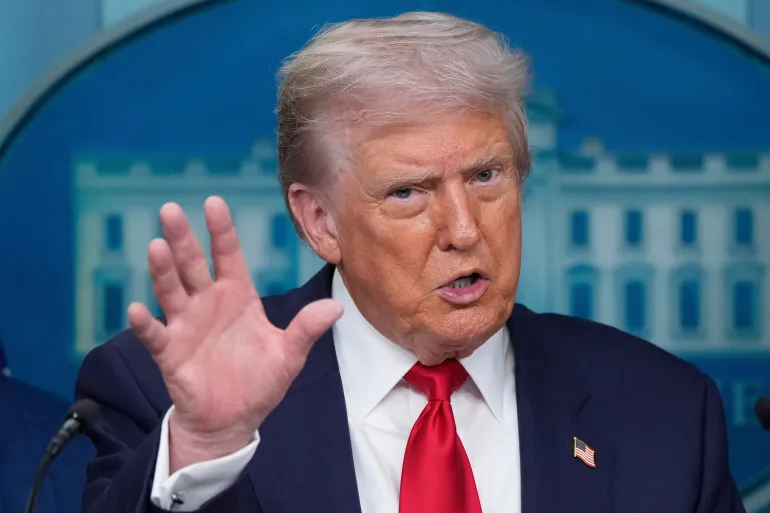
When asked about the deadline on Monday, President Trump said, “We’ll see what happens. They’ve been dealing quite nicely. The relationship is very good with [China’s] President Xi [Jinping] and myself.” In a statement, Chinese Foreign Ministry spokesman Lin Jian said Beijing hopes the U.S. will “work with China to follow the important consensus reached during the phone call between the two heads of state” and “strive for positive outcomes on the basis of equality, respect and mutual benefit.”
Kelly Ann Shaw, a senior White House trade official during Trump’s first term, had anticipated that Trump would extend the 90-day “tariff detente” for another 90 days. She noted, “It wouldn’t be a Trump-style negotiation if it didn’t go right down to the wire.” Ryan Majerus, a former U.S. trade official, welcomed the news, stating, “This will undoubtedly lower anxiety on both sides as talks continue, and as the U.S. and China work toward a framework deal in the fall.” He believes the extension provides more time to address long-standing trade concerns.
Currently, the U.S. has a 30 percent tariff on new Chinese goods, while Beijing’s corresponding levy on U.S. products is 10 percent. Since his return to the presidency, Trump has imposed a 10 percent “reciprocal” tariff on nearly all trading partners, a move aimed at addressing trade practices Washington considers unfair. Markets were relatively flat on the news of the extension.
