

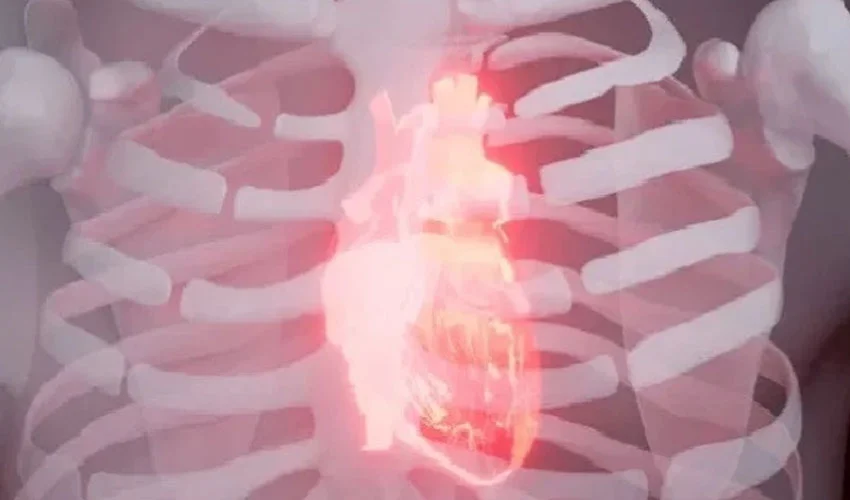
Medical experts warn that heart disease often develops gradually, with early symptoms going unnoticed. However, there are some clear signals that should not be ignored, as they can point to serious heart problems.
Six Major Signs of Heart Risk:
- Shortness of breath: Difficulty breathing during light exertion or even at rest can indicate a weakened heart or blocked arteries.
- Chest pain or pressure: A feeling of heaviness, burning, or pressure in the chest is one of the most common signs of a heart attack. This discomfort can also spread to the shoulder, arm, neck, or jaw.
- Sudden fatigue: Unusual weakness and tiredness, especially without a clear reason, may suggest that the heart is not pumping blood efficiently.
- Irregular heartbeat: A heartbeat that is too fast, too slow, or irregular can signal a risk of a heart attack or heart failure.
- Swelling: Repeated swelling in the feet, ankles, or legs may indicate heart failure or fluid buildup due to poor circulation.
- Dizziness or fainting: A reduced blood supply to the brain, caused by narrowed arteries or a weak pumping action of the heart, can lead to dizziness or sudden fainting spells.
Health specialists emphasize that ignoring these symptoms can be life-threatening. Early diagnosis and timely medical consultation are critical to reducing the risk of serious heart disease.
