

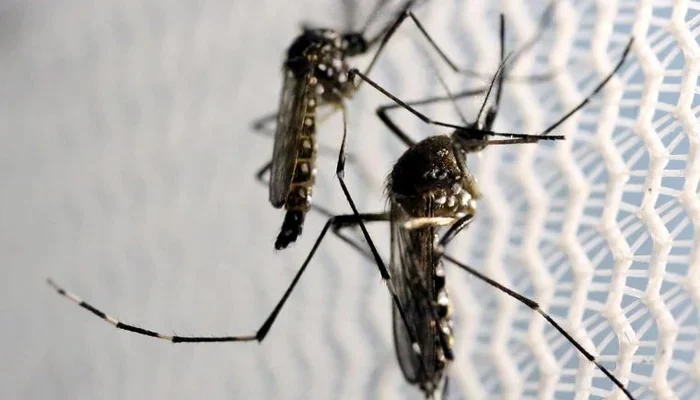
Sindh has reported its first dengue-related death of the year, as a 24-year-old male patient tragically passed away at the Sindh Infectious Diseases Hospital. According to hospital officials, the patient had been on a ventilator for the past two days and was suffering from a critically low platelet count of just 32,000. A healthy individual typically has between 150,000 and 450,000 platelets, underscoring the severe nature of the case.
This marks the first confirmed dengue fatality in Sindh for 2025, even as the province continues to report relatively low numbers of cases compared to previous years.
Dengue Case Overview for 2025
So far this year, 295 dengue cases have been recorded across Sindh. Of these, 260 cases—nearly 90%—have been reported in Karachi alone, making the city the primary hub of dengue activity in the province.
During June 2025, Karachi division registered 32 new dengue cases. In contrast, the Hyderabad and Shaheed Benazirabad divisions reported no new cases during the same month. Mirpurkhas and Sukkur divisions each reported just one new case in June.
Looking at the overall distribution of cases in Sindh for 2025 to date, Karachi leads with 260 reported infections. Hyderabad division has reported a total of 30 cases this year, followed by Mirpurkhas with 2 cases and Sukkur also with 2 cases. The Shaheed Benazirabad division has reported just 1 case so far.
Significant Decline Compared to Previous Years
While the current figures are concerning, they represent a substantial decline in dengue activity when compared to the preceding four years.
- 2024: Sindh reported a total of 2,704 dengue cases.
- 2023: There were 2,880 confirmed cases.
- 2022: The numbers were even higher, with a record 23,274 cases reported across the province—the highest figure in recent years.
- 2021: Saw 6,739 cases.
- 2020: Recorded 4,318 cases.
The dramatic reduction in reported dengue cases this year suggests that prevention and control measures may be yielding positive results. However, health experts caution that vigilance must be maintained, particularly during the ongoing monsoon season, when mosquito-borne illnesses typically see a surge.
Health authorities continue to urge residents to adopt precautionary measures, including eliminating standing water, using mosquito repellents, and seeking immediate medical attention if symptoms such as high fever, severe headache, and body pain emerge.
