

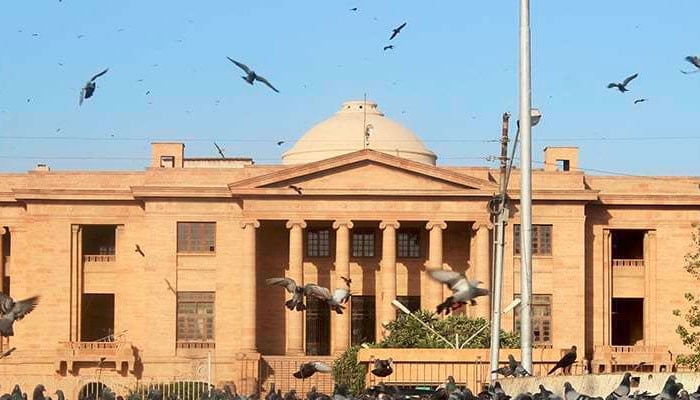
Sindh High Court Gives Sugar Mill Go-Ahead to Operate Amid Protests
In a significant development, the Sindh High Court has allowed a sugar mill in Obadur, Ghotki, to continue its commercial activities in accordance with the law, despite a petition challenging its closure. The court’s decision comes as thousands of workers and farmers are facing financial uncertainty due to the sugar mill’s closure, which began on December 1, 2025.
According to Barrister Omair Sumro, the lawyer representing the petitioners, the police had closed the sugar mill without any notice or legal authority, resulting in significant disruptions to sugar crushing activities. The police had also blocked trucks carrying sugarcane and harassed drivers, leading to concerns about the livelihoods of workers and farmers.
Under the Sugar Factories Control Act of 1950, sugar factories are required to initiate crushing activities during the season. However, the police, seemingly at the behest of influential politicians, have been harassing sugar mill workers and owners, leading to fears of further disruptions.
A report by the commissioner’s office has revealed that the local police had closed the sugar mill on December 1, 2025, and reopened it on December 8, 2025, despite having no authority to do so under the Act. The move has sparked concerns about the misuse of power and the impact on the local economy.
Meanwhile, a leaked audio message of Pakistan Tehreek-e-Insaf (PTI) Secretary Information Sheikh Waqas Akram has sparked controversy, with the party’s chairman, Barrister Saifullah Niazi, releasing a statement explaining the circumstances surrounding the leak. Akram has been released from the Australian cricket team, where he was part of the cricket team’s support staff, and has returned to Pakistan.
In other news, the French Embassy in Pakistan has expressed congratulations to Ali Akbar, a Pakistani national and the last newsagent in Pakistan, on receiving an award for his contributions to the country.
