

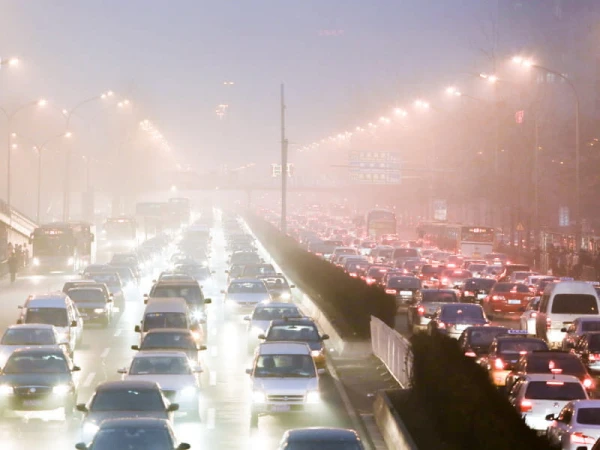
New research has uncovered the serious health risks associated with a common aspect of modern life: exposure to excessive light at night. Experts are warning that for middle-aged individuals, this routine disruption can significantly increase the risk of life-threatening conditions, particularly stroke and heart failure.
Studies have proven that the presence of light during the night profoundly impacts sleep quality, which in turn has a devastating effect on cardiovascular and brain health. The primary reasons for this link include:
- Sleep Disruption: Excessive light interferes with the body’s natural sleep cycle. A lack of deep, restorative sleep is a direct risk factor for heart disease, stroke, and heart failure.
- Hormonal Imbalance: Poor sleep caused by light exposure can increase the body’s level of cortisol (the stress hormone), which is detrimental to cardiovascular health.
- Irregular Heartbeat and Blood Pressure: Artificial light at night can contribute to irregular heart rhythms and elevated blood pressure, both of which are major drivers of heart failure.
- Brain Stress: When the brain is prevented from fully resting, it can lead to “microsleep” (brief, unintended lapses in consciousness) and increased mental stress, which is a long-term risk factor for stroke.
