

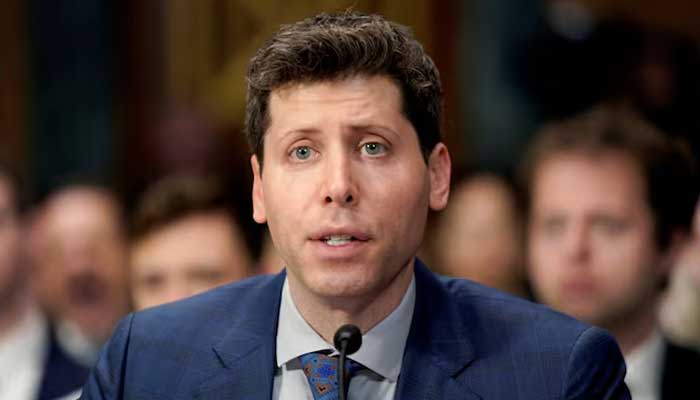
Sam Altman, CEO of OpenAI, has articulated serious concerns regarding how artificial intelligence (AI) is rapidly eroding the effectiveness of traditional identity verification methods, particularly within financial and security systems.
Addressing the evolving threat landscape, Altman expressed alarm that some financial institutions continue to rely on voiceprints for authentication—a method he believes has already been rendered ineffective by current AI capabilities.
“One thing that terrifies me is that some banks still accept voiceprints to verify identity,” he stated. “AI has completely broken that method.” Altman elaborated that while passwords still offer a degree of security, most modern, more convenient forms of authentication—such as voice recognition or facial selfies—are no longer reliable in an era dominated by powerful generative AI tools.
He issued a stern warning about an impending surge in fraud, as AI tools capable of mimicking human voices and appearances become increasingly accessible and sophisticated. “We’ve tried, and others in the tech community have also tried, to alert people. A bad actor could easily use these tools. It’s not hard to do, and it’s coming very soon,” Altman cautioned.
Altman pointed to recent incidents involving ransom scams where criminals leverage AI-generated voices of a victim’s loved ones—such as a child or parent—to create urgent, believable scenarios over the phone. He warned that these tactics are poised to become even more convincing with the introduction of AI-generated video calls that are nearly impossible to distinguish from genuine ones.
“This is going to become so convincing that society needs to fundamentally rethink how we authenticate people,” he stressed. “Soon, a simple voice call or even a FaceTime might not be trustworthy. We need to prepare people for a world where traditional ways of verifying identity no longer work. The impact of this on fraud and security is massive.”
