

Islamabad, Pakistan
Political tensions within Pakistan’s ruling coalition have intensified, culminating in the Pakistan People’s Party (PPP) staging a second consecutive walkout from the National Assembly. The move underscores a deepening rift with the Pakistan Muslim League-Nawaz (PML-N), sparked by controversial remarks from Punjab Chief Minister Maryam Nawaz amid an ongoing dispute over flood relief and water rights.
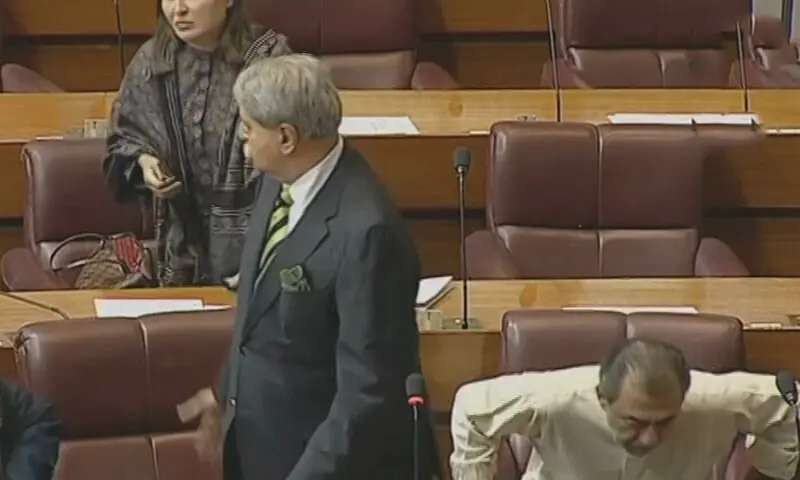
The session began with a stark announcement from PPP leader Naveed Qamar. While acknowledging that the government had sent a team to engage in dialogue following their previous walkout, he stated on the floor that “There has been no difference on the ground… We cannot be a part of this House until this matter is resolved.” The announcement was immediately followed by the PPP’s departure from the assembly floor.
The war of words between the coalition partners, which began over flood compensation, has since broadened to include the critical issue of water rights on the Indus River. CM Maryam Nawaz had previously told the PPP leadership to “keep its advice to itself,” provoking a strong reaction that saw PPP lawmakers stay away from previous National Assembly and Senate sittings.
Behind the Scenes of the Coalition Crisis
Days before the latest walkout, senior figures from both parties—including Deputy Prime Minister Ishaq Dar, Law Minister Azam Nazir, and Senator Rana Sanaullah from the PML-N, and Navid Qamar and Ijaz Jakhrani from the PPP—met to negotiate an end to the row. During the meeting, the PPP had urged CM Maryam Nawaz to “rethink her tone” when speaking about water rights and the Sindh-ruling party. Both sides had agreed to take the matter up with PML-N President Nawaz Sharif and CM Maryam.
Following the walkout, Foreign Minister Ishaq Dar commenced his speech by expressing hope for a swift resolution to the differences. He requested the Law Minister and the Minister for National Food Security to engage with PPP leaders to convince them to rejoin the session. As Dar continued, some PPP members were seen returning to the hall to applause. The Foreign Minister then expressed gratitude, stating that the issues would be resolved through the involvement of the leadership on both sides.
Journalists Protest Police Action
In a separate, but equally critical development, journalists also boycotted the day’s session in protest against a police raid at the National Press Club (NPC) in Islamabad the previous day, during which media personnel were reportedly assaulted. Members of the Parliamentary Reporters Association of Pakistan (PRA) walked out of the press gallery, condemning the raid as an attack on the “home to journalists.” In a statement, the PRA decried the escalating violence against media as a “reflection of undemocratic thinking.”
National Assembly Speaker Ayaz Sadiq urged treasury members to hold a dialogue with the protesting journalists. Subsequently, Minister of State for Interior Talal Chaudhry and other government representatives met the reporters in the press lounge. Chaudhry strongly condemned the raid, expressed solidarity with the journalists, and assured them that their demands would be met. He confirmed that Prime Minister Shehbaz Sharif had been briefed on the incident. Based on these assurances, the journalists decided to postpone their boycott.
