

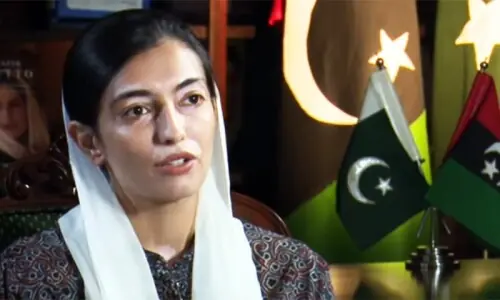
A political rift has emerged between the Pakistan Peoples Party (PPP) and the Pakistan Muslim League-Nawaz (PML-N) over how to distribute aid to flood victims. The dispute began after Punjab Information Minister Azma Bokhari announced that the provincial government would issue relief cards using its own funds instead of using the Benazir Income Support Programme (BISP).
In a post on X, Aseefa Bhutto Zardari criticized the decision, highlighting that over four million people in Punjab have been affected by the “unprecedented floods.” She called BISP the “fastest and most effective way” to deliver aid, emphasizing that the program has both the data and the capacity to help those in need. Aseefa described the government’s decision to not use one of the state’s key organizations as “irresponsible.”
The Role of BISP and the Government’s Stance
The BISP is a national safety net program that provides cash assistance to Pakistan’s most vulnerable families, with a focus on women. The PPP has been advocating for its use in flood relief for several weeks. PPP Vice President Sherry Rehman has also “repeatedly” pushed for the use of BISP in Senate committee meetings.
In contrast, Azma Bukhari stated that the Punjab government’s relief cards would ensure help reaches the right people and that the government is focused on “serving, not politicizing” the issue. She also took a jab at the PPP, asking, “Should we take advice from those who have turned Sindh into archaeological ruins?”
On September 18, PML-N leader and PM’s aide Rana Sanaullah had already ruled out using BISP for flood relief, calling it an unviable option for a cash-strapped government. He suggested that the program needed to be either “wrapped up or be completely revamped.” The Punjab government has announced a compensation package for flood-affected families, which includes Rs20,000 per acre for crop loss and compensation for damaged homes and lost livestock.
