

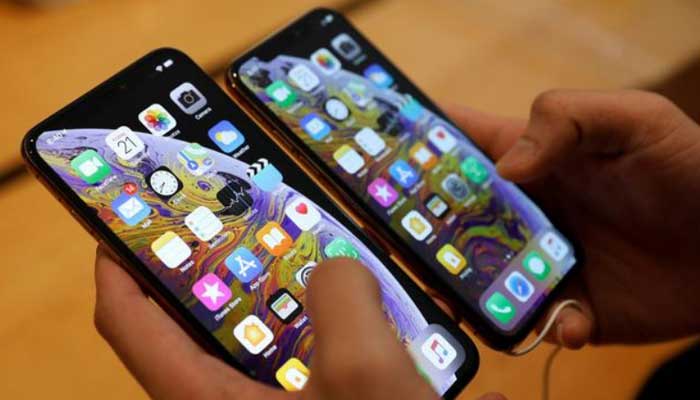
A diagnostic report titled “Pakistan’s Digital Ecosystem” by the Asian Development Bank sheds light on findings from GSMA’s 2023 Mobile Gender Gap Report. This report reveals that women in Pakistan are 35% less likely than men to own a mobile phone (with ownership rates at 52% for women and 81% for men), and 38% less likely to use mobile internet.
However, it’s crucial to acknowledge that many women in Pakistan utilize mobile phones and services registered under the names of male relatives. This practice complicates the accurate determination of how many women genuinely have internet access.
Several key barriers contribute to this significant gender digital divide:
- Lack of Family Approval: This was the top-reported barrier until 2019, now ranking as the second most common obstacle.
- Disproportionate Impact of Online Harassment: Five percent of women express concerns about unwanted calls and messages, compared to only three percent of men. Furthermore, two percent of women worry about the theft or misuse of their identity or private information, while men do not report similar concerns.
- Digital Skills Gaps: Women constitute a mere 14% of ICT graduates. Additionally, a 35% gender gap in computer literacy highlights the marginalization of women in this area.
- Additional Barriers for Rural Women: Women in rural areas face compounding challenges related to skills, cultural constraints, security concerns, and cost.
The report further emphasizes that issues like affordability and digital literacy exacerbate the already existing digital divide between urban and rural areas. While urban populations generally enjoy access to broadband internet, numerous remote rural regions still lack the essential infrastructure needed to connect to the digital world.
Even in areas where internet access is available, the high cost of digital devices presents a major impediment, particularly for low-income individuals. Limited digital literacy—especially among women and those residing in rural regions—further widens this gap.
Bridging this digital divide necessitates addressing multiple interconnected factors, including the availability of infrastructure, affordability of services and devices, digital education, and prevailing sociocultural challenges. Ensuring equitable access to technology is paramount for all citizens to fully benefit from its transformative potential.
Pakistan’s digital environment exhibits stark regional inequalities in internet access and usage. Rural regions—home to over 60% of the population—significantly lag behind urban areas in both internet connectivity and mobile ownership. Disparities also exist in mobile network speeds and infrastructure quality, indicating an uneven distribution of digital resources.
At this pivotal juncture in its digital development, Pakistan is experiencing rapid technological change, including advancements in cloud computing, automation, and hybrid work environments. These innovations are actively reshaping various industries and public services.
While considerable progress has been made, Pakistan still possesses significant opportunities to accelerate its digital growth and remain aligned with regional and global digital trends.
