

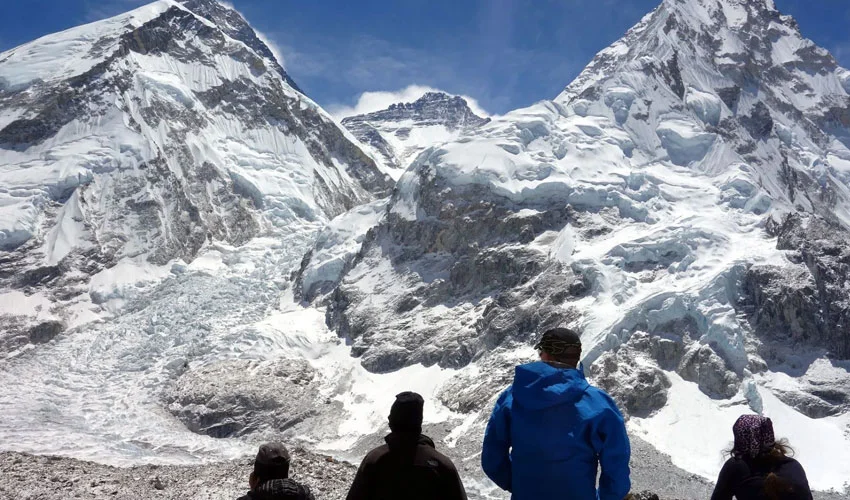
Nepal announced on Monday that it will allow climbers to scale 97 Himalayan peaks free of charge for the next two years. The move is part of an effort to attract visitors to the country’s lesser-known mountain regions.
This initiative is focused on mountains in Karnali and Sudurpaschim, two of Nepal’s most remote and least developed provinces, where peaks range in height from 5,970m to 7,132m.
Promoting ‘Unexplored Destinations’
Himal Gautam, director of Nepal’s Tourism Department, stated that the new policy is designed to showcase “unexplored tourism products and destinations” while simultaneously creating jobs and strengthening local economies.
“Despite their breathtaking beauty, the number of tourists and mountaineers here is very low as access is so difficult. We hope the new provision will help,” Gautam told The Kathmandu Post.
Climbers have largely overlooked these areas; only 68 have attempted these peaks in the last two years, a stark contrast to the 421 Everest permits issued in 2024 alone.
Everest Fees Are on the Rise
This announcement comes as Nepal prepares to increase its Everest permit prices for the first time in nearly a decade. Starting in September, summiting during the peak season of April–May will cost $15,000, up from the previous $11,000. Off-season climbs will be priced at $7,500 for September to November and $3,750 for December to February.
The price hike follows a Supreme Court order from April 2024 to limit the number of permits for Everest and other major peaks to protect their environmental capacity.
Balancing Opportunity with Challenges
While the free climbs could boost tourism in Karnali and Sudurpaschim, questions remain about the existing infrastructure and whether local communities are prepared for a potential surge in visitors.
Nepal’s parliament is also considering a law that would require Everest aspirants to first summit a mountain over 7,000m within the country, making these newly free-to-climb peaks a potential training ground for aspiring mountaineers.
