

Mayor Johnson’s Executive Order and Position
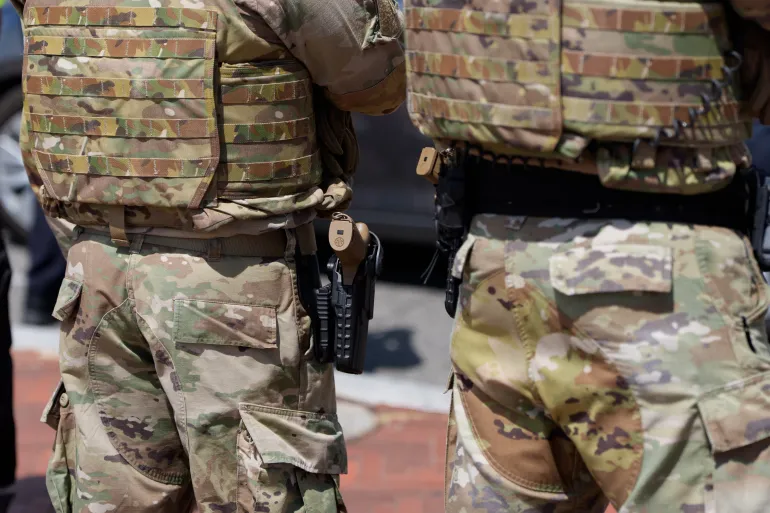
Chicago Mayor Brandon Johnson has signed an executive order, the “Protecting Chicago Initiative,” as a pre-emptive measure against the potential deployment of federal military or immigration enforcement agents to the city. At a news conference, he stated he had received “credible reports” that Chicago could see “militarised immigration enforcement” and “National Guard troops” in its streets.
The order directs Chicago law enforcement not to collaborate with federal military personnel on patrols or immigration enforcement activities. It also prohibits Chicago police from wearing masks to conceal their identities, urging federal agents to adhere to the same rule and display clear identification.
Mayor Johnson called the executive order “the most sweeping campaign of any city in the country to protect ourselves from the threats and actions of this out-of-control administration.” He accused President Trump of using federal power for political retribution and claimed he is “the biggest threat to our democracy that we’ve experienced in the history of our country.”
Illinois Governor JB Pritzker, a fellow Democrat, echoed this sentiment, stating that Trump is “attempting to manufacture a crisis, politicize Americans who serve in uniform, and continue abusing his power to distract from the pain he is causing working families.”
The Trump Administration’s Position and Actions
The Trump administration has been preparing for a “major immigration enforcement operation” in Chicago, with reports suggesting it could begin as early as next week. While White House officials state that these plans are separate from the idea of deploying National Guard troops for a broader crime crackdown, the administration’s actions are part of a hardline anti-immigration agenda.
White House spokesperson Abigail Jackson slammed the Chicago mayor’s executive order as a “publicity stunt.” She stated that “cracking down on crime should not be a partisan issue” and that if Democrats “focused on fixing crime in their own cities instead of doing publicity stunts to criticize the President, their communities would be much safer.”
President Trump has consistently linked the potential deployment to what he calls a “crime problem” in major cities like Chicago. He has criticized Governor Pritzker on social media for not accepting help, citing recent weekend crime statistics in the city. The administration justifies its broader anti-immigration push by claiming it is deporting “criminals” who are in the US illegally.
The Debate on Crime and Federal Authority
The two sides present a starkly different view of Chicago’s crime situation and the role of the federal government.
- Mayor Johnson and Supporters: They argue that federal intervention is an overreach of power and a political stunt. They cite city data showing a significant decline in violent crime, including a 33% reduction in homicides and a 38% reduction in shootings in the first half of the year. They contend that Chicago’s crime is already trending downward and that the city’s approach is working. They also highlight the potential for civil rights violations, with the mayor stating, “We do not want to see families ripped apart” and expressing concern about residents being “harassed or disappeared by federal agents.”
- Trump and His Administration: They contend that Chicago has a severe crime problem that local leaders are failing to address. They point to the fact that Chicago has had the most murders of any US city for 13 consecutive years and that the city’s arrest rate stands at just 16% of reported crimes. They also highlight data showing that Chicago’s murder rate per capita is significantly higher than other major US cities and international counterparts like Islamabad and Delhi. The administration justifies its push to deploy federal agents and military as a necessary step to restore public safety and enforce immigration laws.
This situation reflects a broader national conflict over federal versus state authority and different approaches to public safety and immigration policy.
