

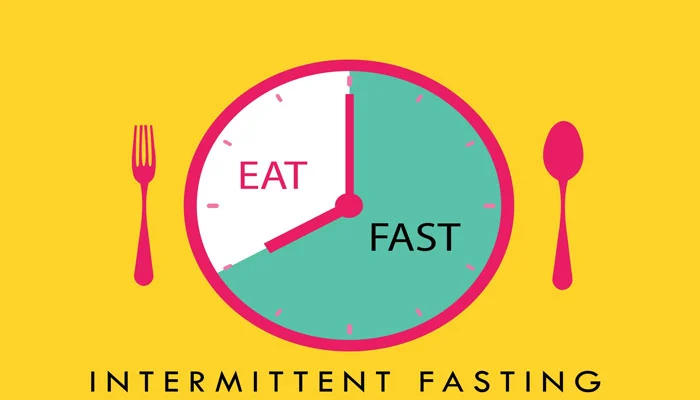
A recent pivotal study has concluded that the practice of Intermittent Fasting (IF) is entirely safe for the cognitive abilities of healthy adults. The research indicates that capacities like decision-making, memory, and complex problem-solving remain intact even during fasting periods.
The findings were published in the respected journal ‘Psychological Bulletin,’ where experts conducted a deep analysis of 71 previous studies involving nearly 3,500 participants.
Core Findings:
According to Associate Professor David Moreau, a psychologist at the University of Auckland, their key discovery was that:
“We found no consistent evidence of any decrease in cognitive performance from short-term fasting. The performance of people who were fasting was virtually the same as those who had recently eaten, meaning mental capacity remains stable without food.”
Impact Based on Fasting Duration:
- Up to 12 Hours of Fasting: The study found no negative impact on cognitive performance during fasts lasting up to 12 hours.
- Fasting Beyond 12 Hours: Only a slight decrease in mental performance was observed during fasts extending past 12 hours.
Difference Between Children and Adults:
The research also revealed that the effects of fasting were relatively more pronounced in children, suggesting that younger individuals require more consistent energy and nutrition. Professor Moreau emphasized that children need special consideration during brain development, and thus, the effects of fasting on them may differ.
Experts collectively state that these results dismiss previous concerns and strongly support the notion that intermittent fasting is safe for healthy adults. Since mental performance remains stable during short-term fasts, individuals should not worry about temporary hunger or cognitive impairment while fasting.
