

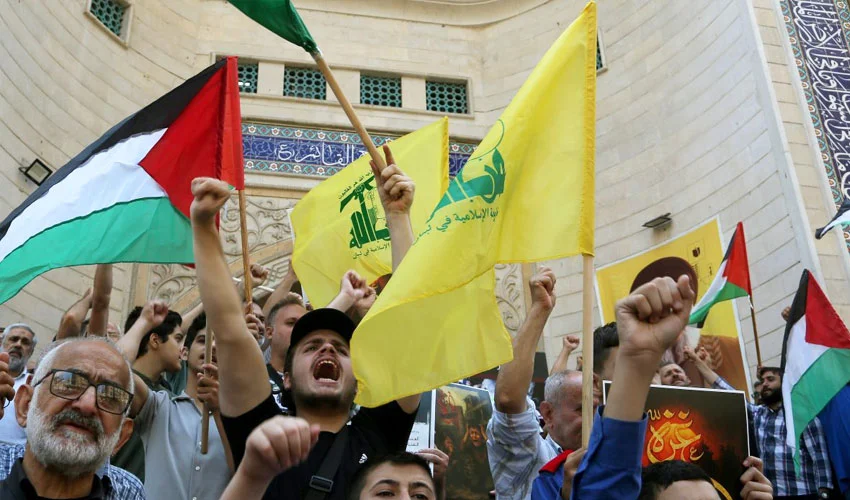
In a significant policy reversal, Lebanon’s cabinet has approved the “objectives” of a US proposal aimed at placing all weapons under state control. The plan, which includes the disarmament of Hezbollah by the end of the year, has been met with sharp opposition from the Iran-backed group.
Prime Minister Nawaf Salam confirmed the decision following a cabinet session, noting that the ministers agreed on the principle of centralizing arms control with the state. However, a final timeline for implementation was not yet approved. The US proposal also seeks to end Israeli military operations on Lebanese territory, a complex issue given Israel’s ongoing violations of the November ceasefire.
Hezbollah Condemns Plan as ‘Surrender’
Hezbollah has vociferously rejected the government’s decision. Mahmoud Komati, Deputy Chief of Hezbollah’s Political Council, labeled the move a “march in humiliation,” accusing Beirut of bowing to pressure from the US and Israel. “No state confronts its own resistance while the enemy still occupies our land and attacks us daily,” Komati told Al Jazeera Mubasher. Hezbollah insists it has a right to resist under the UN Charter’s self-defense clause and has vowed to disregard the government’s decision.
Political Rift Widens as Hezbollah Allies Walk Out
During the cabinet debate, Hezbollah ministers and their Shia allies walked out in protest, highlighting a deepening political rift within the Lebanese government. Reports from pro-Hezbollah media, such as Al Akhbar, suggest that the Amal Movement and Hezbollah may consider withdrawing from the ruling coalition or pushing for a vote of no confidence. The Shia bloc holds a significant number of seats in parliament, which could affect the government’s stability.
US Welcomes Decision Amid Persistent Challenges
A spokesperson for the US Department of State welcomed Beirut’s decision, calling it a crucial step toward stabilizing the south and ensuring state sovereignty. However, the path forward is full of obstacles. Israel has continued its aerial strikes, with eight people killed in southern Lebanon this week alone, undermining the existing truce. The fragility of the ceasefire and the strong refusal of Hezbollah to comply with the plan raise serious doubts about its viability. Iran’s Foreign Minister, Abbas Araghchi, publicly stated that while Tehran supports Hezbollah, it does not dictate its decisions, a subtle move that may be aimed at avoiding further escalation while maintaining strategic ties.
