

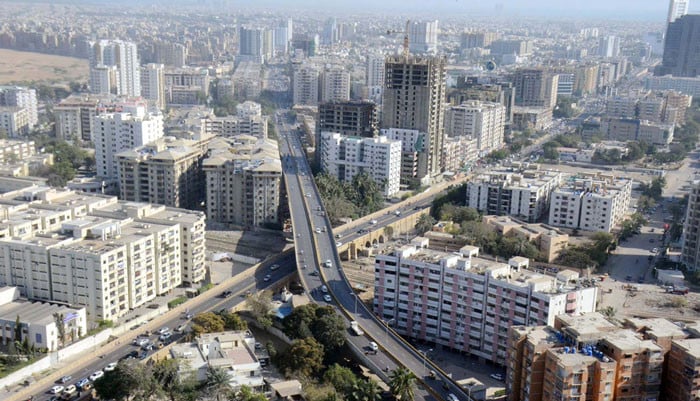
Karachi, the financial hub of Pakistan, is facing a severe housing crisis. The city’s residents, particularly the middle class, are struggling to find affordable housing options. The prices of houses and flats have skyrocketed, making it nearly impossible for the average Pakistani to own a home.
The situation has become so dire that even renting a flat has become a luxury that few can afford. The prices of flats in popular areas like Garden and Gulistan-e-Johar have increased significantly, with a 120-yard plot in Gulistan-e-Johar costing a whopping Rs 50,000 per month.
The prices of flats in other areas, such as Scheme 33, have also reached astronomical levels, with a two-bedroom flat costing over Rs 70,000 per month. When added to the cost of maintenance and electricity, the total cost of living in a flat can exceed Rs 1 lakh per month, making it a burden even for middle-class families.
Experts attribute the crisis to a lack of affordable housing options, corruption, and inefficiencies in the construction industry. They suggest that easy access to credit, improvements in land records, and the redevelopment of old government housing schemes could help make housing more affordable for the middle class.
The crisis has also led to protests and demonstrations by various political parties, including the Jamaat-e-Islami and the Pakistan Tehreek-e-Insaf. The parties have demanded action from the government to address the issue and provide affordable housing options to the people.
Meanwhile, the government has announced that it will provide financial assistance to affected families and has also announced plans to build affordable housing projects. However, the crisis remains a pressing issue, and it remains to be seen whether the government’s plans will be implemented effectively.
In a related development, the Sindh government has announced that it will increase the tax collection in the city, which has led to concerns about the impact on the already struggling middle class. The Pakistan People’s Party has also demanded action from the government to address the housing crisis.
The crisis has also highlighted the issue of corruption and inefficiencies in the construction industry, which are major contributors to the problem. The government has been criticized for its failure to address these issues, which have made it difficult for people to access affordable housing options.
In conclusion, the housing crisis in Karachi is a complex issue that requires a comprehensive solution. The government, civil society, and the private sector must work together to address the issue of affordable housing and provide relief to the affected families.
