Karachi Drowned in the Ashes of Gul Plaza: Burned Bodies, Ruin, and One Question for the Governor: What Have You Done So Far?
By Raja Zahid Akhtar Khanzada
It is often said that not everything needs to be dressed up as politics. Some tragedies speak in their own language. They compose their own elegies and stand, uninvited, as questions before the living conscience.
The ashes of Gul Plaza in Karachi had not yet cooled. Dreams lay buried beneath the debris. People remained missing, with the haunting fear that several lives may already have turned into burned bodies. Billions of rupees worth of goods, shops, businesses, and years of labor were reduced to dust in a single moment. It was in this atmosphere that the Governor of Sindh, Muhammad Kamran Khan Tessori, arrived at the site, choosing the rear side of the incident, where public presence is minimal and control of cameras is easier.
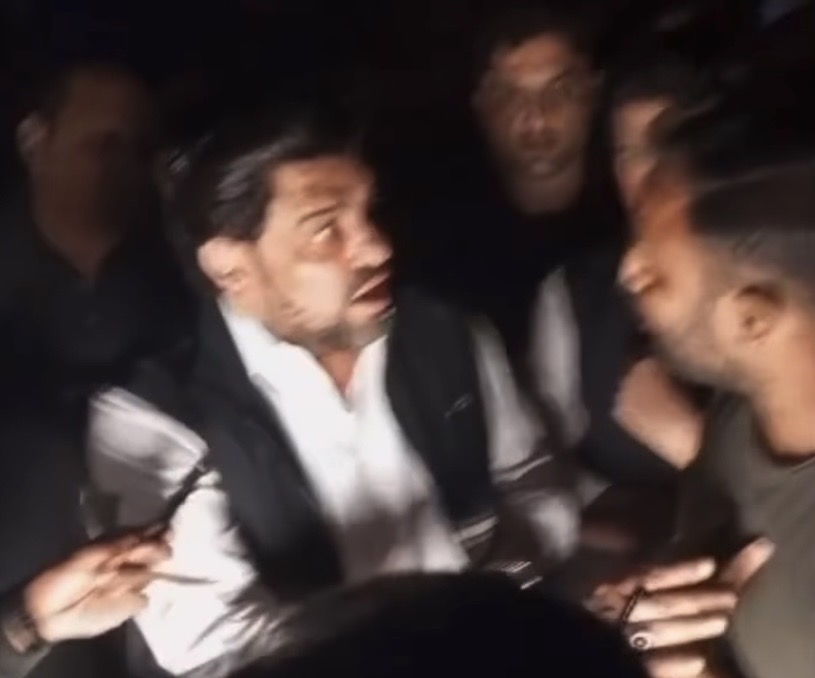
But truth does not stop at back doors. The voices of young men present there rang out clearly: if you are truly our representative, come forward, stand among the people. It was at that moment that the mask slipped. Anger flashed in the governor’s eyes, a reaction captured unmistakably on video. This visit brought neither the fragrance of condolence nor the comfort of healing. It failed to become a balm for the wounds.
Burning bodies, shops turned to ash, and screams that still seem suspended in Karachi’s air kept repeating a single question, one that offers no escape route: what did you do?
People burned to death. The entire Gul Center was reduced to rubble. Businesses, dreams, and years of hard work vanished into ash in moments. At such times, the public does not seek statements. It demands accountability. Amid tears, speeches are meaningless. What is required is responsibility.
The governor’s problem is precisely this: he treats even tragedies as a stage. Performative drama has become a permanent feature of his politics. To remain in the news, a new scene is carefully crafted time and again. Select journalists maintain select relationships, turning his every gesture into breaking news. His political relevance survives on this manufactured media spotlight.
He represents a manufactured version of the MQM, a party whose roots do not lie among the people but seem embedded in some other realm altogether. Those whom Karachi’s streets never voted for were imposed through what can only be described as “angelic votes.” When such rulers step among the public, they are not welcomed. They are questioned. There are no applause lines, only sharp tongues.
This verbal backlash is not rudeness. It is the accumulated frustration of years. It is the voice of people who, after every tragedy, are left with nothing but photographs and hollow statements. They understand that when rulers are genuine, people embrace them, and when they are counterfeit, the public holds up a mirror.
The Gul Plaza tragedy was not merely a fire. It was the naked exposure of a system where responsibility vanishes into smoke, and those in power arrive to paint politics even over ashes. The Chief Minister of Sindh did arrive as well, but a day later. The question the public asked was not directed at one governor alone. It was aimed at the entire spectacle that is performed after every corpse.
Karachi Drowned in the Ashes of Gul Plaza: Burned Bodies, Ruin, and One Question for the Governor: What Have You Done So Far?