

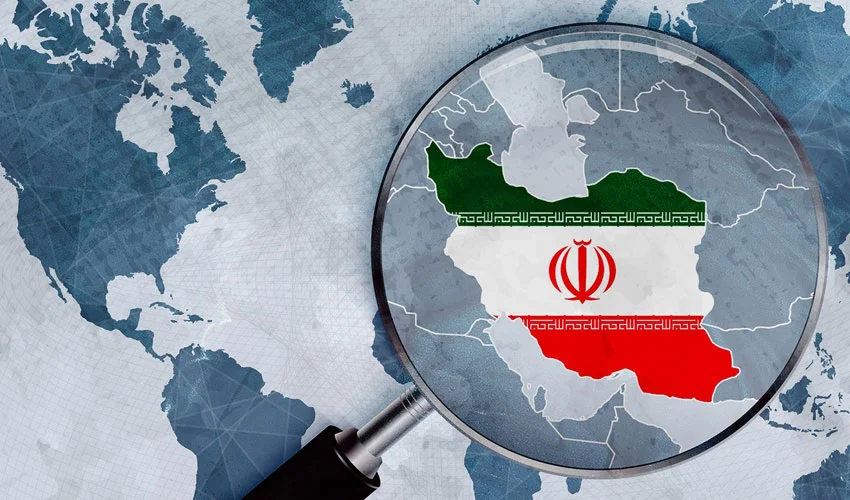
Iran has warned that it will prevent the creation of a planned transit corridor linking Azerbaijan to its Nakhchivan exclave through Armenia, a crucial component of a US-brokered peace plan between Baku and Yerevan. This threat casts a shadow of uncertainty over a deal that Washington had hailed as a strategic breakthrough.
The proposed Trump Route for International Peace and Prosperity (TRIPP) would grant Azerbaijan direct access to Nakhchivan and onward to Turkey, with the US receiving exclusive development rights. While Washington claims the project will boost energy exports and regional trade, Iran’s supreme leader’s senior adviser, Ali Akbar Velayati, warned that the corridor would not become “a passage owned by Trump” but “a graveyard for Trump’s mercenaries.” He pointed to recent Iranian military drills in the region as proof of Tehran’s readiness to block any “geopolitical changes” it opposes.
Azerbaijan and Armenia Move Towards Peace
The TRIPP corridor is part of a larger US-brokered agreement signed at the White House on Friday by Azerbaijani President Ilham Aliyev and Armenian Prime Minister Nikol Pashinyan. Both leaders described the deal as a step toward ending decades of hostility, but Baku has insisted that Armenia must amend its constitution to remove claims over Nagorno-Karabakh before a final agreement can be signed.
While Turkey has welcomed the deal, Russia—Armenia’s historical security partner—has urged regional powers to take the lead in finding solutions, warning against repeating the “sad experience” of Western-led Middle East diplomacy. Moscow still has border guards stationed between Armenia and Iran and maintains strong economic ties with Yerevan.
Unresolved Issues Cast Doubt on Peace Plan
Analysts, however, caution that the peace plan leaves critical questions unanswered, including customs procedures, security arrangements, and reciprocal access for Armenia to Azerbaijani territory. Pashinyan has called for a constitutional referendum, but no date has been set, and Armenia’s next parliamentary elections are scheduled for 2026. Without these constitutional changes, a final deal cannot be signed. International Crisis Group analyst Joshua Kucera noted that Trump may not have secured the swift diplomatic win he had hoped for, given the unresolved issues and Iran’s growing opposition.
