

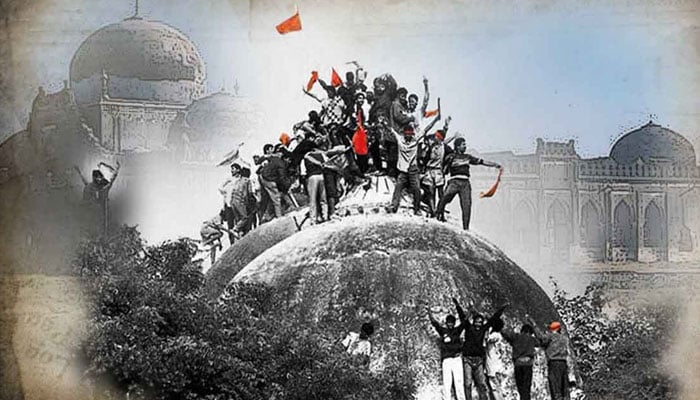
Thirty-three years have passed since the demolition of the Babri Mosque in Ayodhya on December 6, 1992—an event that remains a potent symbol of communal conflict and historical injustice in India. The Mughal-era mosque was destroyed by extremist Hindu groups, including members of the BJP, RSS, VHP, and Bajrang Dal, using various tools.
The attack on the mosque triggered widespread and violent communal riots across India, resulting in the tragic deaths of over 2,000 Muslims and leaving thousands injured, despite fierce resistance from the Muslim community. Key political figures, including L.K. Advani and Murli Manohar Joshi, were implicated in inciting the mob that carried out the demolition.
The Failure of Accountability
Despite a 2009 investigative report by Justice Manmohan Singh naming 68 individuals responsible for the demolition, the Indian Supreme Court controversially acquitted all the accused in 2019. This judicial outcome has drawn severe criticism globally.
Human Rights Watch (HRW) condemned the act as a grave violation of international norms and the religious rights of minorities. HRW also noted that the aftermath of the event extended beyond Ayodhya, with over 500 mosques and countless shrines reportedly razed in Gujarat since 1992.
On the anniversary, Pakistan’s Foreign Office reiterated that the Babri Mosque is part of the nation’s “collective memory” and expressed deep concern over the construction and flag-hoisting ceremony at the temple being built on the site of the former mosque.
