

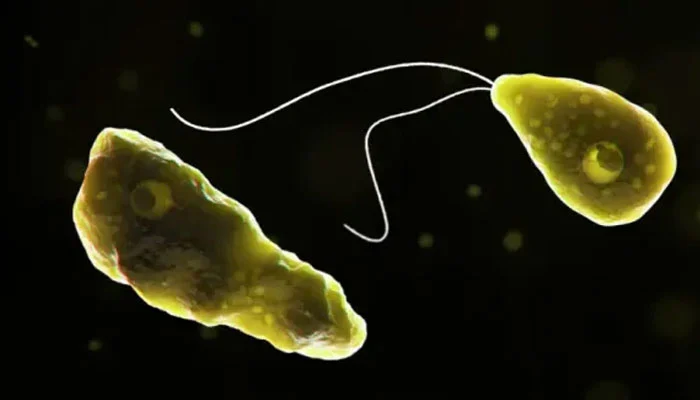
Indian health officials have issued a health alert after infections and deaths from a rare water-borne “brain-eating” amoeba have doubled compared to last year in the southern state of Kerala.
While the numbers remain small, Altaf Ali, a doctor on a government task force to contain the spread, told AFP that officials were “conducting tests on a large scale across the state to detect and treat cases.”
Officials have reported 19 deaths and 72 infections from the Naegleria fowleri amoeba this year, including nine deaths and 24 cases in September alone. Last year, the amoeba was responsible for nine deaths out of 36 reported cases.
The US Centers for Disease Control and Prevention (CDC) refers to it as a “brain-eating amoeba” because it can “infect the brain and destroy brain tissue.” If the amoeba reaches the brain, it can cause an infection that is fatal in over 95 percent of those affected. The CDC notes that these infections are “very rare but nearly always fatal.”
The amoeba thrives in warm lakes and rivers and is contracted when contaminated water enters the nose. It does not spread from person to person.
The World Health Organization (WHO) states that initial symptoms include headache, fever, and vomiting, which can rapidly escalate to “seizures, altered mental status, hallucinations, and coma.”
“It’s worrying that new cases this year have emerged from across the state, as opposed to specific pockets in the past,” said Dr. Ali.
Since 1962, nearly 500 cases have been reported worldwide, primarily in the United States, India, Pakistan, and Australia.
