

Oil prices tumbled 4%, global shares surged, and the dollar weakened on Tuesday following US President Donald Trump’s announcement of a ceasefire between Israel and Iran. This marked a dramatic reversal after the US had bombed Iran’s nuclear sites over the weekend.
Brent crude futures had already slid 7% on Monday, and US shares jumped after Iran conducted a token retaliation against a US base and signaled that its actions were concluded for now.
With the immediate threat to the vital Strait of Hormuz shipping lane seemingly abated, the global benchmark crude was last traded at $67.68 a barrel, reaching its lowest point since June 11. US crude futures dropped 3.6% to $66.02 a barrel.
“With markets now viewing the escalation risk as over, market attention is likely to shift towards the looming tariff deadline in two weeks’ time,” commented Prashant Newnaha, senior Asia-Pacific rates strategist at TD Securities. “Our sense is that the quicker than expected resolution to the Middle East conflict leads to expectations for a swifter resolution on tariffs and trade deals.”
For the time being, however, equity markets were enjoying the relief brought by eased geopolitical tensions. Risk assets rallied, with S&P 500 futures climbing 1% and Nasdaq futures rising 1.3%. Europe’s Stoxx 600 gained 1.3% in early trade, with travel stocks like airlines surging 4%, while oil and gas sector names shed 3%.
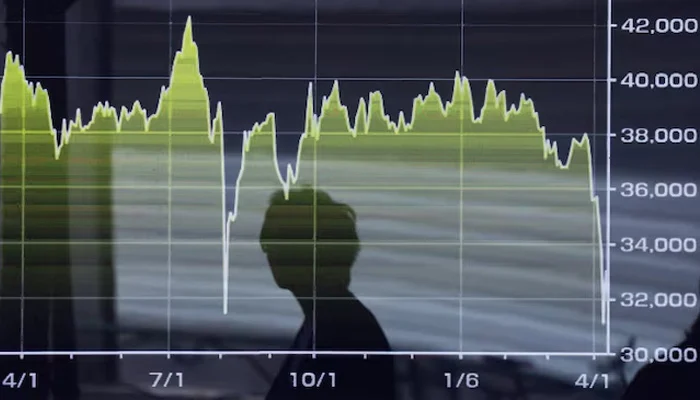
Earlier in the day, MSCI’s broadest index of Asia-Pacific shares outside Japan jumped 2.2%, and Japan’s Nikkei rallied 1.1%.
Trade Negotiations and Interest Rate Outlook
On the trade front, two sources informed Reuters that Japan’s tariff negotiator, Ryosei Akazawa, was arranging his seventh visit to the United States as early as June 26, aiming to conclude tariffs that are negatively impacting Japan’s economy.
Government bonds largely showed little reaction to the news. The recent conflict had posed a challenge for bond traders, who had to balance safe-haven flows against the inflationary effect of higher oil prices.
Are Rate Cuts Approaching?
Federal Reserve Vice Chair for Supervision Michelle Bowman indicated that the time to cut interest rates was drawing nearer, citing potentially rising risks to the job market. This statement followed Fed Governor Christopher Waller’s comment on Friday that he would consider a rate cut at the July 29-30 meeting.
Fed Chair Jerome Powell will have his own opportunity to comment when appearing before Congress later on Tuesday. So far, he has maintained a more cautious stance regarding a near-term easing of monetary policy.
Markets still imply only about a 22% chance that the Fed will cut rates at its next meeting on July 30, but a September cut is now almost fully priced in. Ten-year Treasury yields remained mostly steady at 4.33%, having declined 5 basis points overnight. Germany’s 10-year yield was flat at 3.52%.
News of the ceasefire saw the dollar extend its overnight retreat, slipping 0.7% to 145.43 yen, having fallen from a six-week high of 148 yen overnight. The euro rose 0.2% to $1.1602 on Tuesday, after gaining 0.5% overnight. Both the yen and euro benefited from the slide in oil prices, as the EU and Japan are heavily reliant on imports of oil and liquefied natural gas, while the United States is a net exporter.
The “risk-on” mood led to gold prices easing 1% to $3,333 an ounce.
