

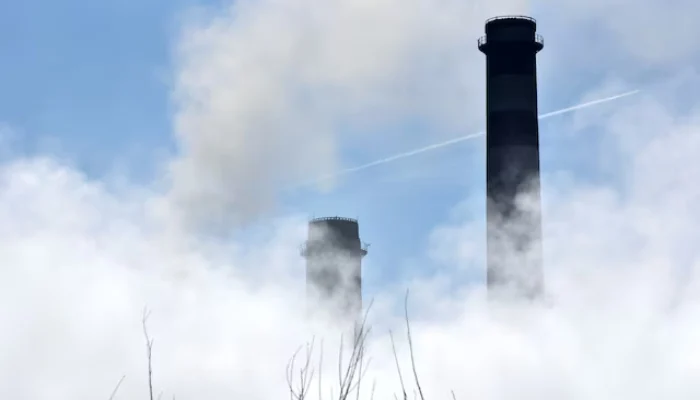
Global carbon dioxide emissions from the energy sector reached a record high for the fourth consecutive year last year, according to the Energy Institute’s annual statistical review of world energy released on Thursday. This occurred as fossil fuel use continued to climb, even while renewable energy also achieved a record high in deployment.
Why It Matters: The report’s findings underscore the immense challenge of transitioning the global economy away from fossil fuels. This effort is further complicated by ongoing geopolitical events, such as the conflict in Ukraine, which has reshaped global oil and gas flows from Russia, and the fighting in the Middle East, which raises concerns about the security of energy supplies. Last year was also officially the hottest year on record, with global temperatures surpassing 1.5°C (34.7°F) above the pre-industrial era for the first time.
Key Figures: The world experienced a 2% annual rise in total energy supply in 2024. Notably, all energy sources—including oil, gas, coal, nuclear, hydro, and renewables—registered increases, a pattern last observed in 2006, the report noted. This surge in energy demand led to carbon emissions increasing by approximately 1% in 2024, exceeding the previous year’s record of 40.8 gigatonnes of carbon dioxide equivalent.
Among global fossil fuels, natural gas saw the largest increase in generation, growing by 2.5%. Meanwhile, coal grew by 1.2%, maintaining its position as the largest source of global energy generation, while oil growth remained under 1%. In contrast, wind and solar energy expanded significantly by 16% in 2024, growing nine times faster than the total energy demand.
Context: The Energy Institute, an industry body comprising energy professionals, took over the authorship of this annual report last year from BP, collaborating with consultancies KPMG and Kearney. Analysts monitoring progress indicate that despite record amounts of renewable energy being added, the world is not on track to meet the global goal of tripling renewable energy capacity by 2030.
Insights from Authors: “Last year was another turning point for global energy, driven by rising geopolitical tensions,” said Romain Debarre of consultancy Kearney, one of the report’s authors. Wafa Jafri, a partner at KPMG, commented, “COP28 set out a bold vision to triple global renewables by 2030, but progress is proving uneven and despite the rapid growth we have seen globally we are still not at the pace required.” COP28 refers to the United Nations Climate Change Conference held in Dubai in 2023, where participating countries signed a pact to transition away from fossil fuels in energy systems to achieve net-zero emissions by 2050.
