

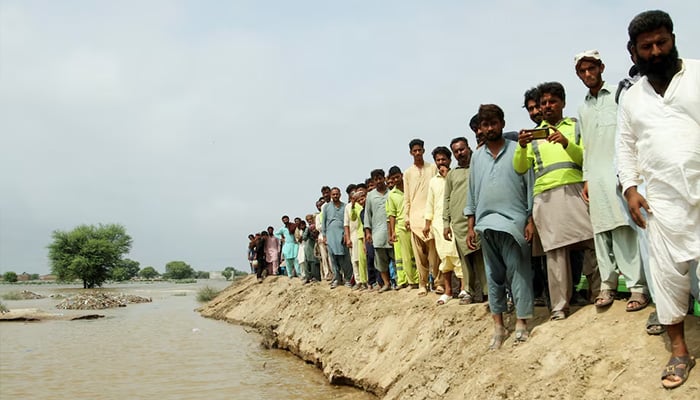
Heavy monsoon rains and widespread flooding in the basmati rice-growing regions of India and Pakistan have raised concerns about the output of the premium staple. The anticipated drop in supply is already driving prices higher, with both countries contributing to a significant portion of the world’s basmati rice production.
Impact on Crops and Farmers
India’s northern states of Punjab and Haryana, which account for over 80% of the country’s basmati production, have been severely affected. In Pakistan, the Punjab province—responsible for more than 90% of its output—has also been hit hard. The Ravi, Chenab, Sutlej, and Beas rivers overflowed in late August and early September, submerging vast areas of agricultural land.
Initial assessments in India suggest that crops like paddy, cotton, and pulses on nearly one million hectares have been affected. In Pakistan, thousands of hectares of rice, sugarcane, corn, and cotton were submerged. The floods have been a severe blow to farmers, as the basmati rice and cotton crops were nearing harvest, which typically begins in late September.
Market and Price Implications
The industry had initially expected a bumper crop this season. However, the damage from the floods is likely to reduce supplies and push prices higher. According to Ibrahim Shafiq, an export manager at Latif Rice Mills in Pakistan, “Conservative estimates put the damage at 20% of basmati rice grown in Pakistan.” This damage is expected to drive up prices in both local and international markets.
Traders have already raised prices by $50 per ton over the past week, and prices could rise further if supply shortages persist after the harvest. While some industry officials believe the current price hike is temporary and will ease once new supplies arrive, the overall outlook for the basmati harvest remains uncertain.
