

In Punjab, between 60,000 and 70,000 individuals affected by floods are currently residing in relief camps. Medical services are available for families, and swings have been installed to provide comfort and recreation for children in the tent settlements.
In Farukhabad, Shahdara, although the floodwaters have receded, streets and residences remain filled with mud, refuse, and stagnant water. Local residents have expressed concerns about potential disease outbreaks and are calling for an immediate cleanup to restore normal life.
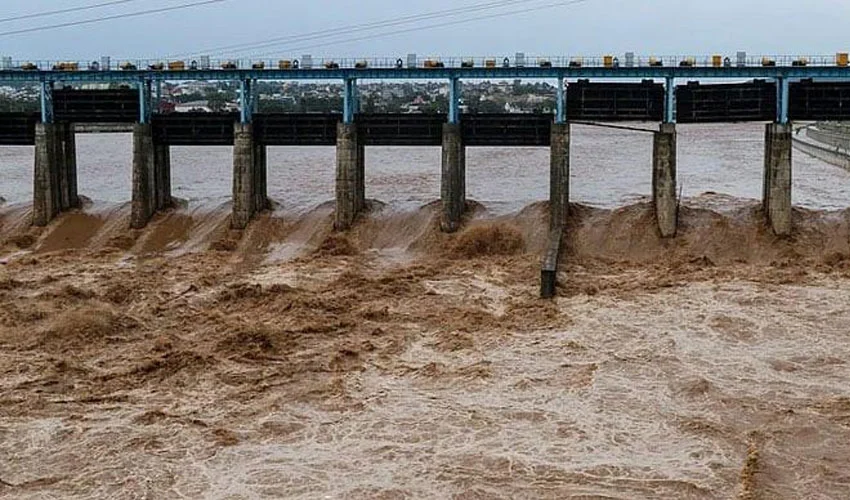
The floods in Punjab have impacted over 4.1 million people and caused damage to more than 4,000 villages. The death toll has reached 56. The PDMA has issued a warning of a very high flood risk in the Ravi, Sutlej, and Chenab rivers until September 9. Nearly 3,000 schools remain closed, many of which are now serving as relief camps.
Commissioner Lahore, Maryam Khan, has reviewed the flood relief and anti-dengue initiatives. In Shahdara, the Ravi River’s flow stands at 90,000 cusecs, and water levels are receding in the residential areas of Nankana and Sheikhupura.
Commissioner Khan reported that a temporary channel in Mohlanwal has started to drain floodwater. Relief efforts are being intensified in the areas where water levels have dropped.
Three relief camps are operational in Lahore. Commissioner Maryam Khan has directed that medical facilities and food for the affected people, as well as fodder for livestock, be provided to protect health and ensure the continuity of livelihoods.
