

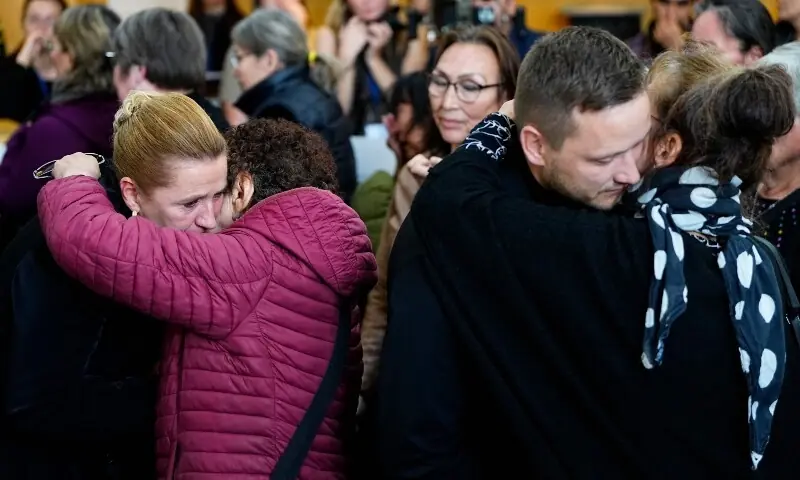
Danish Prime Minister Mette Frederiksen officially apologized on Wednesday for the forced contraceptive campaign that took place in Greenland between the late 1960s and 1992. The campaign, which was a clear “betrayal” of the Greenlandic people, involved forcing around 4,500 Inuit women to be fitted with a contraceptive coil (IUD) without their consent in an effort to reduce the birth rate.
Key Details of the Apology and Its Aftermath
- Public Apology: During a ceremony in Nuuk, Greenland, Frederiksen stated, “On behalf of Denmark, I apologize.” The Greenlandic Prime Minister, Jens-Frederik Nielsen, acknowledged the apology but emphasized that it doesn’t erase what happened.
- Victims’ Suffering: Many of the women were left sterile and have suffered from severe physical and psychological problems. A victim, Kirstine Berthelsen, shared her experience of two ectopic pregnancies and the removal of a fallopian tube, which she attributes to the IUD.
- Healing and Compensation: Berthelsen, a 66-year-old retiree, found the apology vital for her healing, as it will allow her to move forward “without hatred, anger, and negativity.” In a separate development, Denmark has also created a reconciliation fund to compensate the victims and other Greenlanders who faced discrimination.
Political Context and International Pressure
This apology marks a significant shift from previous Danish governments, which had refused to apologize for the injustice. According to Aaja Chemnitz, a Greenlandic MP, the apology was heavily influenced by external pressure, particularly from the United States. She noted that this newfound effort to smooth relations is a direct result of US President Donald Trump’s assertive statements about potentially acquiring the strategically located Arctic territory.
Historian Astrid Andersen agrees, stating that Danish prime ministers have historically been “extremely reluctant to acknowledge injustices committed in Greenland,” making Frederiksen’s apology a notable break from tradition. The lawyer for the victims, Mads Pramming, welcomed the news of the reconciliation fund, noting that his clients “are not satisfied with just an apology.”
