

ISLAMABAD, PAKISTAN
A high-stakes row has erupted between Pakistan’s two primary coalition partners, the Pakistan Muslim League-Nawaz (PML-N) and the Pakistan Peoples Party (PPP), after Punjab Chief Minister Maryam Nawaz delivered a fiery diatribe concerning flood compensation and the sensitive issue of water rights on the Indus River.
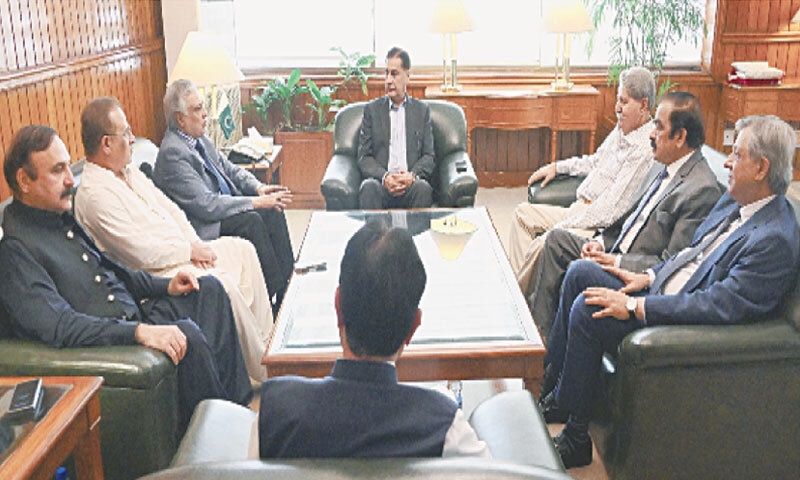
In a bid to defuse the escalating tensions, senior figures from both parties met in Islamabad on Thursday. The gathering—which included Deputy Prime Minister Ishaq Dar, Law Minister Azam Nazir, and Senator Rana Sanaullah for the PML-N, and Navid Qamar and Ijaz Jakhrani for the PPP—concluded with an agreement to take the matter up directly with PML-N President Nawaz Sharif and Chief Minister Maryam Nawaz.
The Danger of ‘Narrow Nationalism’
The war of words, which originated over the mechanism for flood relief compensation, quickly broadened to include controversial remarks by the Punjab CM, prompting PPP lawmakers to boycott sittings of the National Assembly and Senate in protest.
Addressing a press conference, PPP leader Qamar Zaman Kaira delivered a pointed rebuke, urging the Chief Minister to refrain from fanning “narrow nationalism.” Kaira appealed to the CM to “reconsider your tone,” invoking the legacy of the late Benazir Bhutto.
“What do you want to achieve by playing narrow nationalism… Do you want the rest to leave Punjab, and their rights to be ended?” Kaira questioned, highlighting the dangers of provincial division. He stressed that the country cannot be run by a “single leader or institution” and that the government’s approach of threatening critics was “not appropriate in any way.”
Kaira also defended the PPP’s proposed relief mechanism, the Benazir Income Support Programme (BISP), calling it a transparent method endorsed by the IMF, and criticized the Punjab government for responding to flood management concerns by “target[ing] the Sindh government.”
Water Rights and Political Attacks
The dispute over a proposed canal project was also raised, with Kaira stressing that water distribution is governed by an existing formula that must be decided by the Council of Common Interests (CCI), which includes both federal and provincial governments.
Adding a voice from the flood-affected areas, PPP South Punjab President Makhdoom Ahmad Mahmood accused the Punjab government of “failed policies” that abandoned flood victims in the Seraiki belt. “Even in the past, there have been worse floods, yet never before were the people abandoned in such a helpless state,” he said, alleging the government’s response was “choreographed.”
In response, Punjab Information Minister Azma Bokhari dismissed the PPP’s criticism, accusing the party leaders of “competing to hold press conferences” while claiming not to politicise the plight of flood victims. Bokhari argued that the PPP’s rhetoric was a deliberate attempt to “target Punjab collectively” and that “personal attacks will naturally invite a response.”
The widening rift exposes the fragility of the ruling coalition at a time when national unity is crucial for tackling the country’s major crises, including the devastating aftermath of the recent floods.
