

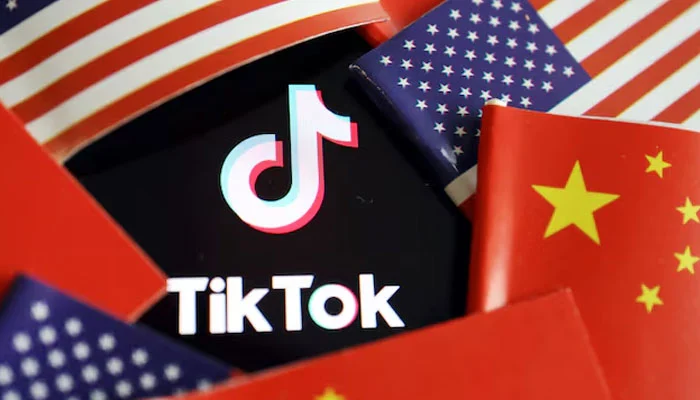
A day after President Donald Trump said a deal to transfer the popular short-video app TikTok to U.S.-controlled ownership was progressing, China held firm to its position on the app’s future in the U.S. on Saturday.
China’s Commerce Ministry released a statement reiterating its stance, which it has maintained over the past week. “China’s position on TikTok is clear: The Chinese government respects the wishes of the enterprise, and welcomes it to carry out commercial negotiations in accordance with market rules to reach a solution compliant with China’s laws and regulations, and strikes a balance of interests.”
Unresolved Issues in the Potential Deal
Key questions remain about the potential U.S./China deal following the call between Trump and Chinese President Xi Jinping. The details that still need to be ironed out include:
- The precise ownership structure of TikTok’s U.S. operations. While Trump has named potential investors, the exact breakdown of ownership is not yet finalized.
- How much control China will retain over the app’s inner workings. This is a particularly sensitive point, as U.S. officials are concerned about the app’s powerful algorithm that drives user engagement.
- What Beijing will get in return for backing down and allowing the U.S. to take over a significant portion of one of China’s most successful tech companies. The Ministry of Commerce hinted at concessions by urging the U.S. to “provide an open, fair, equitable, and non-discriminatory business environment for the continued operation of Chinese enterprises.”
China’s Perspective and Broader Implications
Chinese officials and state media have framed the framework deal, which was reached in Madrid, as a “win-win” situation. They have promised to review technology exports and intellectual property licensing related to TikTok. This progress on the social media app is seen as a key step toward easing tensions between the world’s two largest economies and could lead to concessions in other areas of trade, such as aeroplanes and soybeans.
The framework deal was a crucial hurdle for Trump to clear to prevent a ban on TikTok. The U.S. Congress had passed a law ordering the app to be shut down for U.S. users by January 2025 if its U.S. assets were not sold by its Chinese owner, ByteDance. China’s Commerce Ministry spokesperson, He Yadong, reiterated China’s hope that the U.S. will reduce trade barriers facing Chinese firms, suggesting this as a key benefit for Beijing in the deal.
The outcome of this deal will set a precedent for how the U.S. and China handle future disputes involving technology, national security, and trade.
