

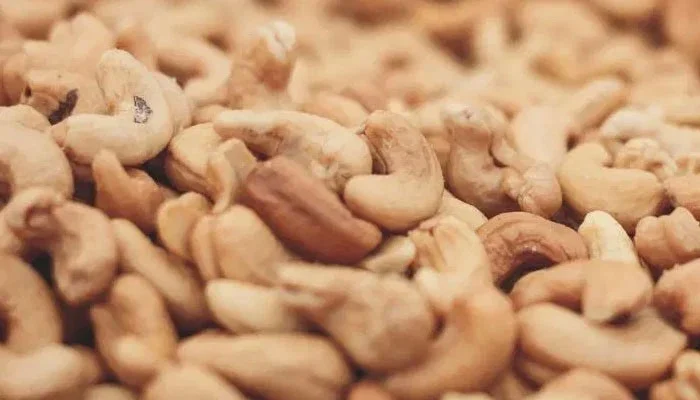
Cashews, famous for their delicious taste and distinctive kidney shape, have long been considered a nutritional powerhouse. But the question remains: what effect does consuming them in abundance have on the body?
According to a report by the health website ‘Healthline,’ regular and moderate consumption of cashews can be highly beneficial for heart health, metabolism, and effective weight management.
A Nutritional Treasure: The USDA states that just one ounce (28 grams) of cashews contains 157 calories, 5 grams of protein (comparable to cooked meat), 12 grams of fat, and a rich supply of essential minerals like copper, magnesium, zinc, iron, and Vitamin K.
The Surprising Benefits of Cashews:
- Disease Protection: Cashews are rich in antioxidants (polyphenols and carotenoids) that reduce inflammation in the body and strengthen resistance against diseases.
- Aids in Weight Loss: Research has shown that the body does not absorb all the calories from cashews. Only about 84% of the calories are digested, as some fat remains trapped within the nut’s fibrous wall.
- Heart Health: They help raise good cholesterol (HDL) and lower bad cholesterol (LDL), especially in patients with type 2 diabetes.
- Sugar Control: The fiber present in them helps stabilize blood sugar levels.
Potential Risks and Precautions: Despite these benefits, cashews also contain a substance called ‘urushiol,’ which is also found in poison ivy and can cause severe allergic reactions. Although this compound is destroyed during processing, caution is still necessary.
Experts advise consuming cashews in their natural state (raw or dry-roasted) and without added salt. It is best to avoid commercially fried or heavily salted cashews. When eaten in moderation, cashews are an excellent source of energy, supporting a strong heart and balanced blood sugar.
