

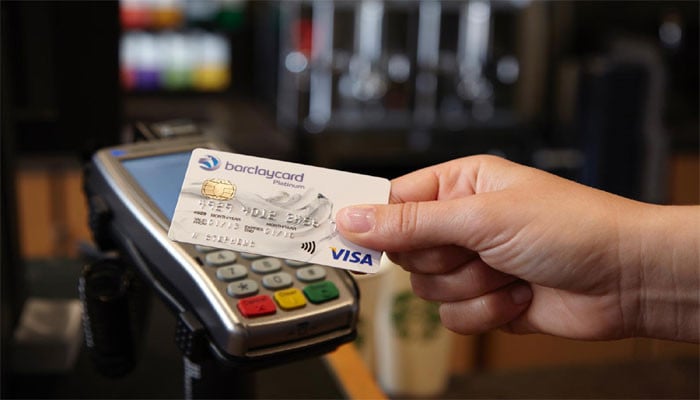
Britain is set to introduce a new regulation that will allow banks and credit card providers to set or remove the contactless payment limit without the need for a PIN. This move is aimed at promoting digital payments and reducing the risk of fraud. According to a survey by the Financial Conduct Authority (FCA), 78% of consumers and experts believe that the ability to make contactless payments without a limit could lead to reckless spending and could result in a credit card situation where individuals are accumulating debt without realizing it.
The contactless payment limit in Britain has been increased from £10 in 2007 to £100 in October 2021, with interim increases to £15 in 2010, £20 in 2012, £30 in 2015, and £45 in 2020. Besides contactless payment cards, consumers can also use their smartphones or smartwatches for digital payments, which provide additional security features such as facial recognition or fingerprint identification. However, consumers are still required to enter their PIN for certain contactless payments to prevent fraud.
The FCA is encouraging banks and credit card providers to allow consumers to set individual spending limits or remove contactless payments altogether. Some banks are already offering this feature. The introduction of cardless payments limit is expected to have a significant impact on the economy, particularly in the retail sector.
Meanwhile, the gold price in Pakistan has increased to Rs. 4,56,162 per tola after the recent hike. The price of sugar in Punjab has also been increased, and the Chairman of the Crypto Council, Bilal Baig, met with the Governor of the State Bank, Jamil Ahmed, to discuss the progress of crypto regulation in Pakistan. The State Bank of Pakistan has reported a 5.02% increase in production in the first four months of the current fiscal year, with an 8.33% increase in production on a year-on-year basis.
The global gold price has decreased by $9, making it $4,325 per ounce. The 100 Index closed at 1,71,960 points on the last day of business, and the Economic Coordination Committee (ECC) meeting was held in Islamabad under the chairmanship of Finance Minister Muhammad Auranzeb Khan. The meeting approved the establishment of 5,760 crore new schools and the launch of the Youth Skills Development Program.
The Karachi Chamber of Commerce and Industry (KCCI) has written a letter to the Ministry of Maritime Affairs, and the Bank of England has reduced its interest rate from 4% to 3.75%. The World Bank’s Country Director, Bolawarma Amagobazar, met with Federal Minister for Petroleum, Ali Haider Zaidi, in Islamabad. The global gold price has increased by $22, making it $4,334 per ounce.
The trade deficit in services has reduced to $1.8 billion, and the earnings deficit has reduced to $7.4 billion. The total deficit has reduced by 14% compared to October. The State Bank of Pakistan reported a current account surplus of $10 billion in November, but a deficit of $29 billion in October. The global gold price has increased by $27, making it $4,312 per ounce.
The Goods Transporters’ strike has affected the arrival and departure of ships at the port. The Nepalese government has introduced a new policy, the Nepal Solar Users Act 2025, which aims to promote the use of solar energy. In a separate incident, a group of people were seen wearing identical clothing in a baraat procession. According to reports, 50 Barrett sniper rifles, 100 sniper rifles, and 1,250 new automatic weapons ‘TWS’ will be purchased.
Meanwhile, New Zealand’s Tom Latham and Devon Conway have set a new record in the history of test cricket. The launch was made from the Blue Origin launch pad in Texas, USA.
