

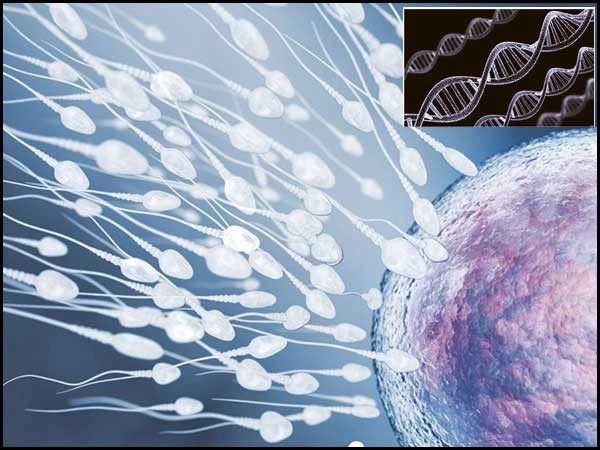
Traditionally, reproductive health concerns have focused heavily on maternal age. However, a new study is challenging this assumption, shedding light on the hidden genetic risks associated with advancing paternal age.
The UK-based study, published in the prestigious journal Nature, analyzed sperm samples from 81 healthy men aged 24 to 75. The findings reveal that as men get older, their sperm cells accumulate genetic changes, or mutations.
The most alarming aspect of this research is the “selfish sperm” theory. Researchers discovered that certain harmful genetic mutations don’t just accumulate with age; they are actively favored during sperm production. This means these altered cells out-compete healthy cells and multiply faster within the testes.
Professor Matt Hurles, a co-author of the study, described this as a “hidden genetic risk” that increases with paternal age. “Fathers who start families later in life are at a higher risk of unintentionally passing on these detrimental changes to their children,” he said.
These mutated genes have been linked to severe neurodevelopmental disorders, such as autism spectrum, and inherited cancer syndromes.
This research is increasingly relevant today, as the social trend of delaying marriage and childbirth continues to grow. A separate 2024 analysis found that fathers over 40 had a 51% higher likelihood of their child being diagnosed with autism compared to fathers in their 30s.
While lifestyle factors like smoking did not appear to directly impact these specific sperm mutations, the body’s natural protection does not stop these “selfish” mutations from accumulating and taking over as men age. This contrasts with recent evidence suggesting ovaries may naturally protect eggs from aging effects, while sperm remain vulnerable to these mutations over time.
