

Apple Rejects ‘Scratchgate’ Claims Over iPhone 17 Pro: Blames ‘Residue’ from Damaged MagSafe Chargers
Doha – Apple has firmly pushed back against widespread claims that its new iPhone 17 Pro is susceptible to scratching, injecting a significant new corporate defense into the user-driven controversy dubbed “scratchgate” shortly after the device’s launch. The company insists the blemishes widely shared online are not scratches on the device’s finish but residue left by damaged MagSafe charging stands in its retail stores.
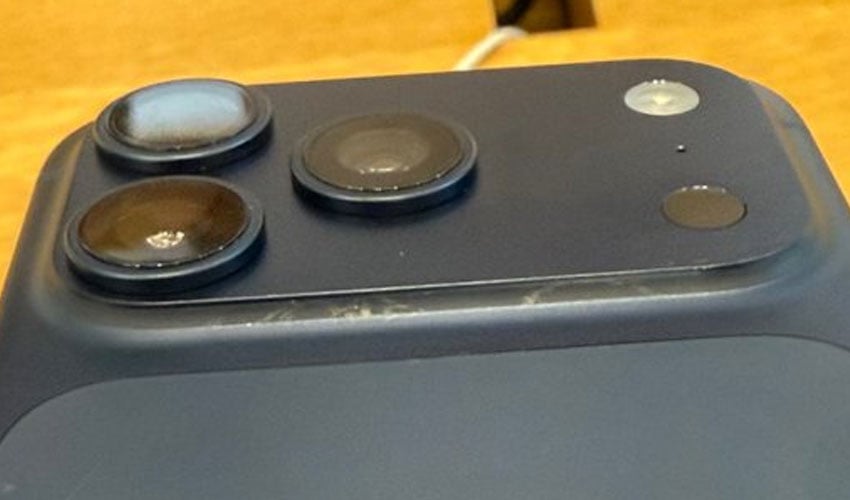
The iPhone 17 Pro’s release was quickly followed by a flurry of social media posts featuring images of scuffed demo units, particularly around the MagSafe charging ring on the back panel. Users swiftly coined the term “scratchgate,” igniting fears over the new device’s durability and the quality of its build material.
The Corporate Explanation: Residue or Abrasion?
In its explanation to the news outlet 9to5Mac, Apple asserted that the marks were likely caused by worn MagSafe stands transferring material onto the iPhones, rather than a physical scratch on the metal or glass of the device itself. The company further added that these surface blemishes can typically be wiped away and that faulty display stands across its Apple Stores are currently in the process of being replaced. This clarification seeks to reassure thousands of consumers concerned about immediate visible defects on a premium-priced device.
Concerns were also raised by YouTuber JerryRigEverything regarding the raised camera plateau, with suggestions that its corners are prone to scratching. Apple responded by noting that the plateau’s anodized finish is consistent with those used on other iPhones and MacBook Pros, stating that while it is rigorously tested for durability, it remains susceptible to normal wear and tear inherent in daily use.
Mixed Reviews and the Human Element of Wear
The reaction from tech reviewers, however, remains mixed. While some, such as TechRadar’s Lance Ulanoff, praised the iPhone 17 Pro’s strong durability and its scratch-resistant back panel, others offered dissenting views. A reporter from Cult of Mac claimed the marks on one specific demo unit could not be wiped off, confidently describing them as “definitely scratches.” This divergence of accounts underscores the difficulty in definitively determining the precise nature of the damage.
In a key defense of its retail units, Apple also pointed out that demo phones in its stores are subject to daily handling by thousands of visitors. This accelerated usage means they are likely to show wear at a much faster rate compared to personal devices, which could account for why store models appear significantly more scuffed than phones in regular circulation. The episode highlights the intense scrutiny and immediate public reaction that new technology faces in the age of social media, forcing corporations to rapidly respond to consumer-driven narratives.
