

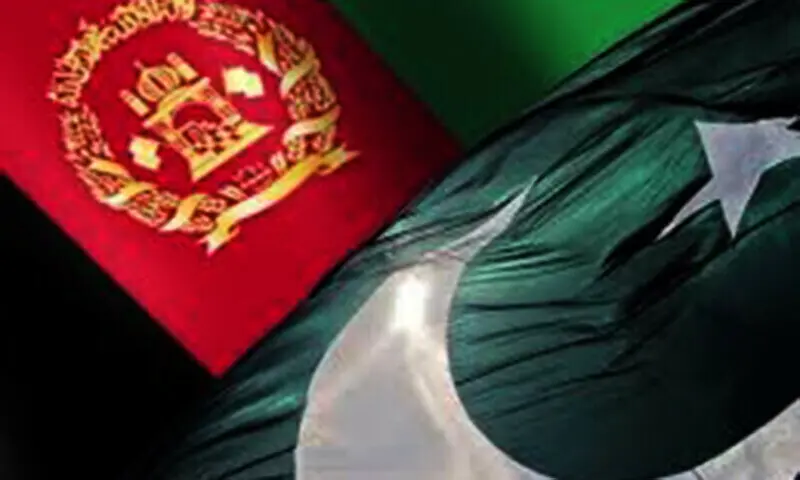
ISLAMABAD, PAKISTAN – Pakistan is hosting a significant gathering of Afghan political opponents, the first of its kind since the Taliban takeover of Afghanistan in 2021. While the two-day “Regional Dialogue: Towards Unity and Trust” has been positioned by organizers as “not against the Taliban government,” it underscores the deep complexities of Afghanistan’s future and Pakistan’s role in the regional dynamic.
The meeting comes amidst a period of renewed bilateral focus between Pakistan and Afghanistan, marked by steps like the revival of the Joint Coordination Committee. However, the dialogue drew sharp criticism, notably from Zalmay Khalilzad, the former US special envoy, who termed Pakistan’s decision to host the event “hugely unwise and an intended provocation” due to the attendance of figures opposed to the Taliban.
Former Afghan parliamentarian Fawzia Koofi, who leads the organizing body Women for Afghanistan (WFA) and lives in exile, countered the criticism, stating, “Isn’t it time to let us craft what is good for us?”
Focus on Inclusivity and Shared Principles
Organizers—WFA and the South Asian Strategic Stability Institute (SASSI) University—insist the dialogue’s primary aim is to “promote inclusive and constructive discussions among leaders, including men and women from diverse segments of society in Afghanistan.” The goal is to identify common principles for stability, inclusivity, and peaceful settlement.
The closed-door meeting’s first day was dedicated to Afghan leaders—many of whom were part of the previous governments of Hamid Karzai and Ashraf Ghani—to define shared principles for stability, rule of law, and reaffirming the support to women’s rights and inclusion. While Afghans were invited, some faced visa issues preventing their attendance.
The second day, September 30th, will feature a Joint Pak-Afghan Session focusing on building trust, identifying common ground, and advancing a people-centric approach to regional challenges. Organizers emphasized that the initiative is rooted in the simple truth that “peace between people leads to peace between nations.”
Security Tensions Background
The dialogue occurs against a backdrop of persistent security concerns, primarily Pakistan’s demand that Kabul take action against the banned Tehreek-e-Taliban Pakistan (TTP). Pakistan’s Deputy Prime Minister and Foreign Minister Ishaq Dar visited Kabul in July and later reported receiving “recent assurances” that Afghan soil would not be used for terrorism. Earlier this year, Army Chief Field Marshal Asim Munir noted that the TTP’s presence and cross-border attacks remained the only point of contention between the two countries.
The organizers stressed that by focusing on economic development and trust-building, the event aims to strengthen cooperation between Afghan and Pakistani leaders and foster a deeper, more mutually beneficial relationship grounded in unity.
