

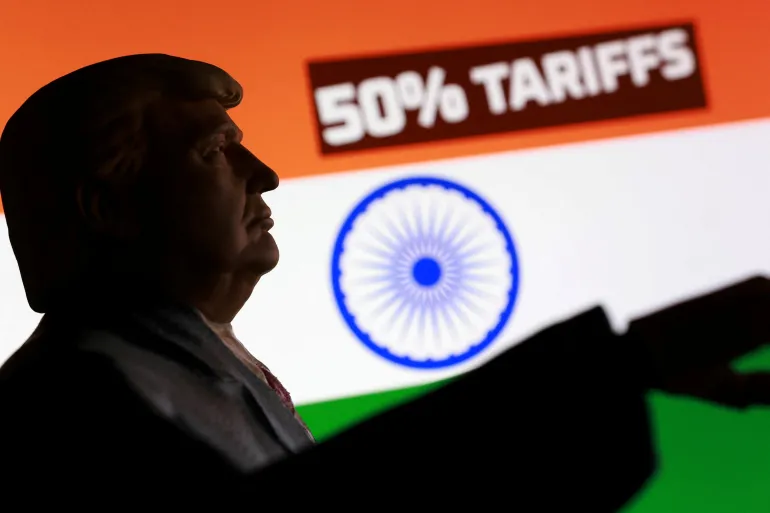
The remarks were made as steep tariffs on numerous Indian imports into the US took effect this week. This move serves as a punitive measure against New Delhi’s substantial purchases of Russian oil, which is part of a broader US strategy to pressure Moscow into ending its three-year-plus war in Ukraine.
Since his return to the White House this year, US President Donald Trump has utilized tariffs as a sweeping policy tool, causing disruption across global trade. Trump’s latest tariff offensive has strained US-India relations, with New Delhi previously criticizing the levies as “unfair, unjustified and unreasonable.” Trade discussions between the two nations have also been hampered by disagreements over agriculture and dairy markets. Trump is pushing for greater US access, while Indian Prime Minister Narendra Modi is determined to protect India’s farmers, who constitute a large and influential voting bloc.
In 2024, the United States was India’s top export destination, receiving shipments valued at $87.3 billion. Analysts have warned that a 50 percent duty is tantamount to a trade embargo and is likely to harm smaller businesses. Exporters of textiles, seafood, and jewelry have already reportedly canceled US orders, suffering losses to competitors like Bangladesh and Vietnam, which has fueled fears of widespread job cuts.
Meanwhile, days after the US tariffs on India became effective, the US Court of Appeals for the Federal Circuit in Washington, D.C., largely affirmed a May ruling that found Trump had overstepped his authority by imposing blanket tariffs on all US trading partners. Trump had cited the International Emergency Economic Powers Act to justify his actions, arguing that trade deficits with other nations constituted a “national emergency.” However, in its Friday decision, the appeals court challenged that reasoning and ruled overwhelmingly against the universal tariffs. The Trump administration is expected to appeal the decision to the Supreme Court, and as a result, the appeals court stated that his tariff policy could remain in place until October 14.
